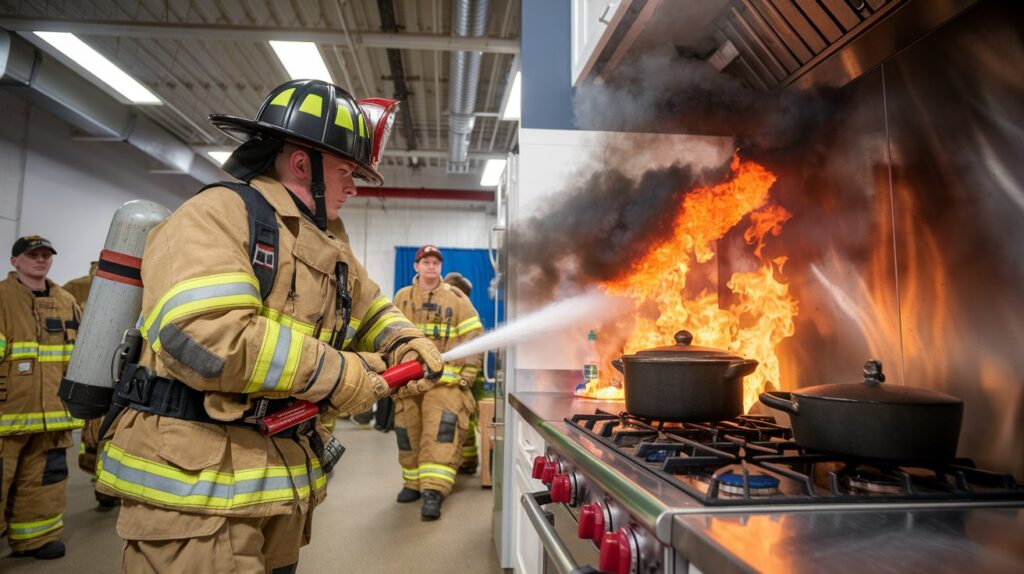
Understanding the importance of fire prevention is crucial for protecting lives and property in the United States. With over 1.3 million fires reported annually causing billions in damages and thousands of casualties, implementing comprehensive fire prevention strategies has become more critical than ever. This guide explores essential fire safety measures, prevention systems, and the fundamental reasons why fire prevention remains the most effective approach to fire safety.
Why Fire Prevention is So Important
The importance of fire prevention cannot be overstated when considering the devastating impact fires have on American communities. According to the National Fire Protection Association (NFPA), fires cause approximately 3,500 deaths and 15,200 injuries annually in the United States. Beyond human casualties, property damage exceeds $25 billion each year, making fire prevention a critical economic and social priority. Prevention strategies cost significantly less than fire suppression and recovery efforts, with every dollar spent on prevention saving approximately $7 in potential damages.
Effective fire prevention measures protect not only individual properties but entire communities from the cascading effects of large-scale fires. The 2023 Maui wildfires demonstrated how inadequate prevention measures can result in catastrophic losses, emphasizing why proactive fire prevention systems are essential for modern safety infrastructure.
The 5 Most Important Benefits of Fire Safety
Understanding the 5 importance of fire safety helps prioritize prevention efforts in both residential and commercial settings. First, life preservation remains the primary benefit, as proper fire prevention measures reduce fatality risks by up to 80% according to recent safety studies. Second, property protection through early detection and suppression systems prevents total losses that average $50,000 per residential fire incident in 2024.
Third, business continuity depends heavily on comprehensive fire safety systems, as 40% of businesses never reopen after experiencing a major fire. Fourth, legal compliance with fire codes protects organizations from liability and regulatory penalties that can reach millions of dollars. Fifth, insurance benefits include reduced premiums and better coverage terms for properties with proven fire prevention systems, often resulting in 15-25% cost savings annually.
Fire Prevention in the Workplace
The importance of fire prevention in the workplace extends beyond basic safety requirements to encompass employee welfare, operational continuity, and regulatory compliance. Workplace fires account for approximately 37,000 incidents annually in the United States, causing over $2.3 billion in direct property damage. Implementing comprehensive workplace fire prevention programs reduces incident rates by 60% while significantly improving employee confidence and productivity.
Modern workplace fire prevention strategies must address evolving risks including electrical hazards from increased technology usage, chemical storage in manufacturing facilities, and human factors such as improper waste disposal. Regular fire risk assessments, mandatory safety training, and updated prevention protocols ensure compliance with Occupational Safety and Health Administration (OSHA) standards while protecting valuable business assets.
Essential Workplace Fire Prevention Strategies
Effective workplace fire prevention requires a multi-layered approach combining administrative controls, engineering solutions, and employee education. Administrative controls include establishing clear evacuation procedures, conducting monthly fire drills, and maintaining updated emergency contact lists. Engineering solutions encompass installing automatic sprinkler systems, smoke detection networks, and fire-resistant building materials that meet current fire safety standards.
Employee Training and Fire Safety Culture
Building a strong fire safety culture requires comprehensive employee training programs that go beyond basic awareness. Workers should understand fire triangle principles, proper use of fire extinguishers, and evacuation procedures specific to their work areas. Regular training sessions, safety competitions, and recognition programs reinforce the importance of fire prevention while encouraging proactive safety behaviors that prevent incidents before they occur.
Understanding Fire Safety Systems and Protection
Modern fire protection systems represent sophisticated technological solutions designed to detect, suppress, and contain fires before they cause significant damage. These systems integrate multiple components including smoke detectors, heat sensors, automatic sprinklers, and emergency communication networks to provide comprehensive protection. The importance of fire protection systems becomes evident when considering that properties with complete systems experience 90% fewer total losses compared to unprotected buildings.
Advanced fire safety systems now incorporate smart technology, wireless connectivity, and artificial intelligence to predict potential fire hazards and respond more effectively to emergencies. Investment in quality fire protection equipment typically pays for itself within 3-5 years through reduced insurance costs, prevented damages, and improved safety outcomes.
Types of Fire Protection Systems
Water-based fire protection systems including sprinklers and standpipes remain the most common and effective solutions for most building types. Clean agent systems using gases like FM-200 or Novec 1230 provide fire suppression without water damage, making them ideal for data centers and electronic equipment areas. Foam systems excel at suppressing flammable liquid fires, while dry chemical systems offer versatility for mixed fire hazard environments.
Smart Fire Detection Technology
Contemporary fire detection systems utilize advanced sensors, machine learning algorithms, and cloud connectivity to provide earlier warning and more accurate threat assessment. Smart smoke detectors can distinguish between actual fires and false alarms from cooking or steam, reducing unnecessary evacuations while maintaining safety. Integration with building management systems allows for automated responses including HVAC shutdown, elevator recall, and emergency lighting activation, demonstrating the evolving importance of fire prevention technology.
10 Essential Fire Safety Tips for Prevention
Implementing proven fire safety tips creates multiple layers of protection that significantly reduce fire risks. First, maintain working smoke detectors on every floor and test monthly – this simple measure prevents 50% of fire deaths. Second, create and practice family evacuation plans with designated meeting points. Third, keep fire extinguishers in key locations including kitchens, garages, and basements, ensuring family members know proper usage techniques.
Fourth, inspect electrical systems annually and replace damaged cords immediately. Fifth, maintain safe distances around heating equipment and clean dryer vents regularly. Sixth, store flammable materials in appropriate containers away from ignition sources. Seventh, install ground fault circuit interrupters (GFCIs) in moisture-prone areas. Eighth, use surge protectors for electronic equipment. Ninth, maintain clear escape routes free from clutter. Tenth, consider installing residential sprinkler systems, which reduce fire death rates by 80% and property damage by 70%.
Fire Prevention Standards and Regulations
Understanding fire prevention standards ensures compliance with local, state, and federal requirements while maximizing safety outcomes. The National Fire Protection Association (NFPA) develops comprehensive codes including NFPA 1, the Fire Code, which establishes minimum requirements for fire prevention, protection systems, and emergency procedures. These standards undergo regular updates reflecting technological advances and lessons learned from fire incidents, emphasizing the ongoing importance of fire prevention evolution.
State and local authorities often adopt NFPA standards with modifications reflecting regional risks and building types. Building codes specify construction materials, escape route requirements, and fire protection system installations based on occupancy classifications. Regular inspections ensure continued compliance while identifying potential hazards before they result in incidents.
The Purpose of Fire Prevention and Control
The fundamental purpose of fire prevention and control encompasses protecting human life, preserving property, maintaining business continuity, and supporting community stability. Prevention focuses on eliminating ignition sources, controlling fuel loads, and maintaining adequate separation between potential hazards. Control systems provide immediate response capabilities when prevention measures are insufficient, limiting fire spread and providing time for safe evacuation.
Effective fire prevention and control programs integrate education, engineering, and enforcement approaches. Education raises awareness about fire risks and proper safety behaviors. Engineering provides technological solutions including detection, suppression, and building design features. Enforcement ensures compliance with safety codes and regulations, creating accountability for maintaining safe conditions.
What to Do During a Fire Emergency
Knowing proper actions during fire emergencies can mean the difference between life and death when fire prevention measures fail. Immediately upon discovering a fire, activate the building’s fire alarm system and call 911. If the fire is small and you have proper training, attempt suppression using appropriate fire extinguishers while maintaining clear escape routes. However, personal safety always takes priority over property protection.
During evacuation, stay low to avoid smoke inhalation, feel doors for heat before opening, and use stairwells rather than elevators. Once outside, proceed to designated assembly points and remain there until emergency personnel provide further instructions. Never re-enter burning buildings for any reason, as conditions can deteriorate rapidly despite initial fire safety measures.
Creating Comprehensive Fire Safety Checklists
Developing thorough fire safety checklists ensures consistent application of prevention measures across all facility areas and operational procedures. Monthly checklists should include testing smoke detectors, inspecting fire extinguishers, verifying emergency lighting functionality, and checking escape route accessibility. Quarterly inspections focus on fire door operation, sprinkler system components, and electrical equipment condition.
Annual checklist items encompass comprehensive system testing, professional equipment servicing, emergency procedure updates, and staff training refreshers. Digital checklists with photo documentation and automatic scheduling improve compliance tracking while providing valuable records for insurance and regulatory purposes, reinforcing the systematic approach to fire prevention management.
Related video about importance of fire prevention
This video complements the article information with a practical visual demonstration.
Key Questions and Answers
Why is fire prevention so important?
Fire prevention is crucial because it saves lives, protects property, and prevents the devastating economic impact of fires. In the United States, effective fire prevention measures reduce fire-related deaths by up to 80% and property damage by 70%. Prevention costs significantly less than fire suppression and recovery, with every dollar invested in prevention saving approximately $7 in potential damages.
What is the purpose of fire prevention and control?
The purpose of fire prevention and control is to protect human life, preserve property, maintain business continuity, and support community stability. Prevention eliminates ignition sources and controls fire hazards, while control systems provide immediate response when prevention fails. Together, they create comprehensive protection against fire-related losses.
Why is a fire protection system important?
Fire protection systems are important because they provide automated detection and suppression capabilities that respond faster than human intervention. Buildings with complete fire protection systems experience 90% fewer total losses compared to unprotected properties. These systems also reduce insurance premiums by 15-25% while ensuring compliance with safety regulations.
Why is fire prevention the fire service’s most important job?
Fire prevention is the fire service’s most important job because preventing fires is more effective than fighting them. Prevention saves more lives and property than suppression activities, costs less to implement, and reduces the dangers firefighters face. Fire departments focusing on prevention reduce emergency calls by 40-60% while improving overall community safety.
What are the 5 most important aspects of fire safety?
The 5 most important aspects of fire safety are: life preservation through early warning systems, property protection via detection and suppression, business continuity planning, legal compliance with fire codes, and insurance benefits from comprehensive safety measures. Each aspect contributes to overall fire risk reduction and community protection.
How do you conduct a fire risk assessment?
Conducting a fire risk assessment involves identifying fire hazards, evaluating ignition sources, assessing fuel loads, reviewing existing protection measures, and determining evacuation procedures. Professional assessments should be performed annually, documenting findings and recommending improvements to reduce fire risks and ensure compliance with safety standards.
| Fire Prevention Aspect | Key Implementation Details | Primary Benefits |
|---|---|---|
| Detection Systems | Smoke detectors, heat sensors, smart monitoring | Early warning, 80% fatality reduction |
| Suppression Systems | Sprinklers, clean agents, foam systems | 90% property damage reduction |
| Employee Training | Monthly drills, safety education, evacuation procedures | 60% workplace incident reduction |
| Workplace Prevention | Risk assessments, hazard control, safety protocols | Business continuity, legal compliance |
| Residential Safety | Home inspections, escape planning, maintenance | Family protection, insurance savings |