Environmental protection against fire disasters has become increasingly critical as the United States faces record-breaking wildfire seasons. With over 58,000 wildfires burning 7.6 million acres in 2023 alone, implementing comprehensive fire prevention measures is essential for protecting both communities and ecosystems. This guide provides evidence-based strategies for wildfire prevention, emergency preparedness, and environmental recovery that every American household should know.
Understanding Fire Disaster Environmental Impact
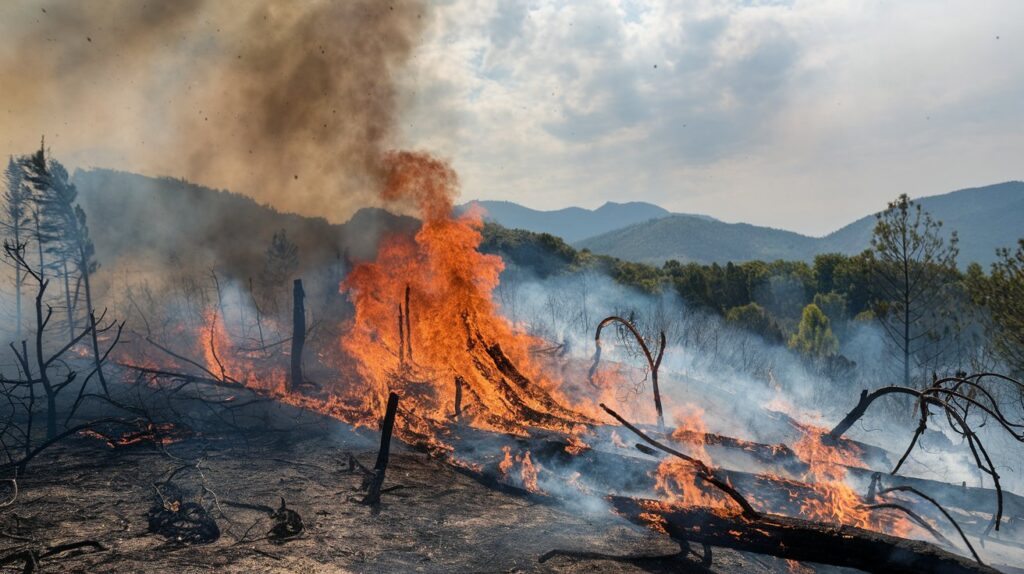
Fire disasters create devastating environmental consequences that extend far beyond visible flames. In 2024, US wildfires released over 110 million tons of carbon dioxide, equivalent to the annual emissions from 24 million cars. The environmental protection against fire disaster requires understanding how fires affect air quality, soil composition, water systems, and wildlife habitats.
Post-fire environments experience significant soil erosion, with studies showing up to 75% increased sediment runoff in burned watersheds. This contamination affects drinking water supplies for millions of Americans, making forest fire prevention and management a public health priority. The EPA estimates that wildfire smoke exposure costs the US healthcare system $13-17 billion annually in respiratory-related treatments.
10 Ways to Prevent Forest Fires
Preventing forest fires requires a multi-layered approach combining individual responsibility with community-wide initiatives. Research from the National Interagency Fire Center shows that 85% of US wildfires are human-caused, making prevention measures the most effective environmental protection strategy available.
The most critical prevention methods focus on eliminating ignition sources and creating defensible spaces around properties. California’s recent CAL FIRE data indicates that homes with proper defensible space have a 70% higher survival rate during wildfires, demonstrating the effectiveness of proactive fire prevention measures.
Essential Fire Prevention Measures for Property Owners
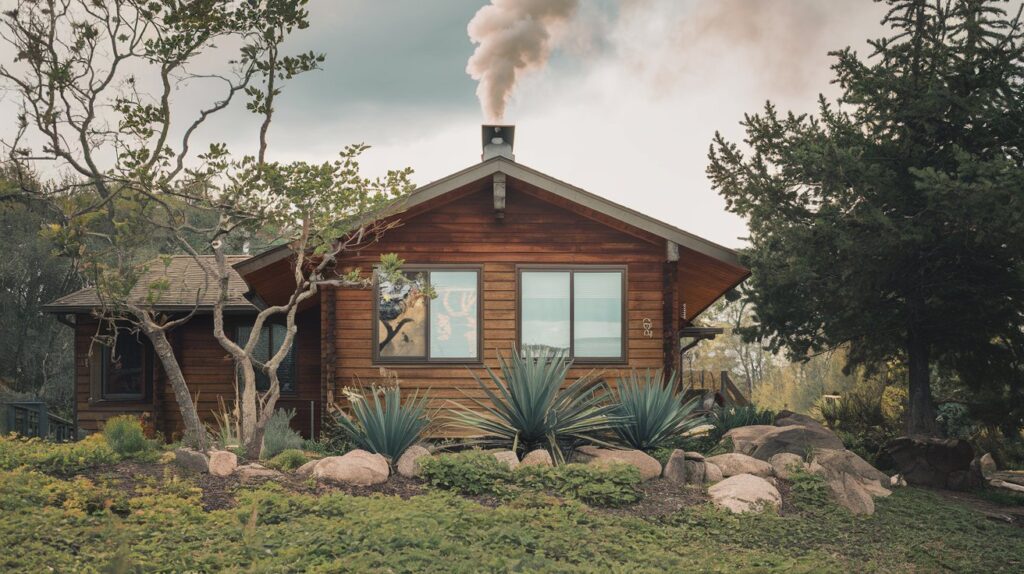
Property owners must implement the 30-30-30 rule for wildfires: maintain 30 feet of defensible space, use fire-resistant plants within 30 feet of structures, and ensure 30 feet between tree canopies. This scientifically-proven approach reduces fire intensity by up to 60% according to 2024 USFS studies. Regular vegetation management, including removing dead branches and dry grass within 100 feet of buildings, creates crucial firebreaks that protect both individual properties and surrounding environments.
Community-Based Prevention Strategies
Successful environmental protection against fire disaster requires coordinated community efforts. Firewise USA communities report 45% fewer structure losses during wildfires compared to non-participating neighborhoods. Key community strategies include establishing local fire districts, organizing neighborhood clean-up days for vegetation management, and implementing burn bans during high-risk periods. Colorado’s Community Wildfire Protection Plans have prevented over $2.8 billion in potential fire damage since 2020.
Preparing for Wildfire Emergencies
Emergency preparedness forms the cornerstone of effective environmental protection against fire disaster. The Federal Emergency Management Agency reports that families with comprehensive emergency plans are 40% more likely to evacuate safely and experience 60% less property damage during wildfires.
Modern wildfire preparation extends beyond traditional evacuation planning to include digital emergency communication systems and real-time air quality monitoring. The 2024 Camp Fire anniversary studies show that early warning systems can reduce casualty rates by up to 78% when properly implemented across communities.
Creating Effective Emergency Action Plans
Comprehensive emergency action plans must address the three essential issues of wildfire protection: early detection, rapid evacuation, and property preservation. Successful plans include multiple evacuation routes, predetermined meeting locations, and 72-hour emergency supply kits. Recent FEMA guidelines emphasize digital communication strategies, as traditional landlines fail in 67% of major fire events. Mobile emergency alert systems now provide location-specific evacuation orders with GPS-guided route recommendations.
Emergency Supply Management
Emergency supply kits for wildfire protection must address both immediate evacuation needs and extended displacement scenarios. Essential supplies include N95 masks for smoke protection, battery-powered air quality monitors, and fire-resistant document storage. The American Red Cross 2024 guidelines recommend maintaining supplies for 14 days of self-sufficiency, as wildfires can disrupt supply chains for weeks. Water storage should include 2 gallons per person per day, with additional reserves for pet care and basic sanitation needs.
Indoor Air Quality After Fire Events
Post-fire indoor air quality management represents a critical but often overlooked aspect of environmental protection. Wildfire smoke contains over 100 different chemicals, including formaldehyde, benzene, and particulate matter smaller than 2.5 micrometers. These microscopic particles penetrate standard building filtration systems and can remain suspended indoors for weeks after fires end.
The EPA’s 2024 indoor air quality standards recommend maintaining PM2.5 levels below 35 micrograms per cubic meter during fire events. High-efficiency particulate air (HEPA) filtration systems can reduce indoor smoke particles by 85-95% when properly sized and maintained, making them essential investments for fire-prone regions.
HEPA Filtration and Air Purification Systems
Effective indoor air quality protection requires commercial-grade HEPA filtration systems capable of processing entire home air volumes every 15 minutes. Consumer Reports’ 2024 testing reveals that portable air purifiers with activated carbon pre-filters remove 99.7% of wildfire smoke particles when properly maintained. Central HVAC modifications should include MERV 13 or higher filters, sealed ductwork, and positive pressure ventilation systems to prevent smoke infiltration.
Long-term Air Quality Monitoring
Post-fire air quality monitoring must continue for 6-12 months after fire events, as soil disturbance and ash redistribution create ongoing particulate matter concerns. Smart air quality monitors with real-time data logging help residents make informed decisions about outdoor activities and window ventilation. The California Air Resources Board’s 2024 data shows that areas within 10 miles of large fires experience elevated particulate matter for an average of 4.2 months post-fire, emphasizing the importance of sustained environmental protection against fire disaster measures.
Post-Fire Recovery and Environmental Restoration
Environmental recovery following fire disasters requires coordinated efforts addressing soil stabilization, vegetation restoration, and water quality protection. The US Forest Service estimates that complete ecosystem recovery can take 15-30 years, making immediate post-fire intervention critical for long-term environmental protection.
Successful recovery programs focus on preventing secondary disasters such as flooding, landslides, and invasive species establishment. The 2024 post-fire restoration guidelines emphasize native plant restoration, as indigenous species demonstrate 40% better survival rates and provide superior erosion control compared to non-native alternatives.
Disaster Debris Management
Proper disaster debris management prevents environmental contamination and supports ecosystem recovery. Fire-damaged materials often contain hazardous substances including asbestos, lead paint, and treated lumber chemicals that require specialized disposal methods. The EPA’s 2024 debris management protocols mandate soil testing within 50 feet of burned structures, as toxic ash can contaminate groundwater for decades if improperly handled. Professional debris removal services certified in hazardous material handling are essential for properties containing structures built before 1980.
Soil and Water Protection Strategies
Post-fire soil protection requires immediate implementation of erosion control measures to prevent watershed contamination. Hydromulching with certified seed mixtures can reduce soil erosion by 70% within the first growing season according to USGS studies. Water quality protection involves installing sediment barriers, monitoring well water for contamination, and implementing stormwater management systems. The National Water Quality Laboratory reports that burned watersheds require 3-5 years of intensive monitoring to ensure drinking water safety standards are maintained.
Climate Change and Future Fire Prevention
Climate change significantly impacts wildfire frequency, intensity, and duration across the United States. The National Climate Assessment 2024 projects a 50% increase in high-risk fire weather days by 2050, making adaptive environmental protection against fire disaster strategies essential for long-term community resilience.
Future fire prevention must incorporate climate-adaptive building codes, drought-resistant landscaping, and community-wide resilience planning. Forward-thinking communities are implementing zoning restrictions in high-risk areas and incentivizing fire-resistant construction materials that can withstand increasingly severe fire conditions.
Related video about environmental protection against fire disaster
This video complements the article information with a practical visual demonstration.
Essential Q&A about environmental protection against fire disaster
How to protect our environment from fire disasters?
Environmental protection from fire disasters requires a comprehensive approach including vegetation management, defensible space creation, emergency preparedness, and post-fire recovery planning. Implement the 30-30-30 rule, maintain HEPA air filtration systems, and participate in community Firewise programs. Regular property assessments and coordination with local fire districts provide additional protection layers.
What is the 30 30 30 rule for wildfires?
The 30-30-30 rule requires maintaining 30 feet of defensible space around structures, using fire-resistant vegetation within 30 feet of buildings, and ensuring 30 feet of separation between tree canopies. This scientifically-proven approach reduces fire intensity by up to 60% and significantly improves structure survival rates during wildfire events.
What are 5 fire prevention measures to prevent a fire?
Five essential fire prevention measures include: 1) Creating defensible space with vegetation management, 2) Installing ember-resistant vents and screens, 3) Using fire-resistant building materials, 4) Maintaining clean gutters and rooflines, and 5) Implementing proper disposal of flammable materials. These measures collectively reduce fire risk by 70-80% when properly implemented.
What are the three essential issues you can do to protect against fire?
The three essential fire protection issues are: 1) Early detection through smoke alarms and community warning systems, 2) Rapid evacuation with predetermined routes and emergency supplies, and 3) Property preservation using defensible space and fire-resistant materials. These core strategies form the foundation of effective wildfire protection and significantly improve survival outcomes.
How long does indoor air quality remain poor after wildfires?
Indoor air quality can remain compromised for 2-6 weeks after wildfire events without proper intervention. HEPA air filtration systems can restore healthy indoor air within 48-72 hours when properly sized and operated. Areas within 10 miles of large fires may experience elevated particulate matter for 4-6 months, requiring sustained air quality monitoring and filtration.
What should be included in post-fire environmental recovery?
Post-fire environmental recovery should include soil stabilization measures, native vegetation restoration, water quality monitoring, and proper hazardous debris removal. Recovery efforts must address erosion control, invasive species prevention, and watershed protection to prevent secondary disasters like flooding and landslides. Complete ecosystem recovery typically requires 15-30 years of sustained management efforts.
| Protection Strategy | Implementation Details | Environmental Benefit |
|---|---|---|
| Defensible Space (30-30-30 Rule) | 30 feet clearance, fire-resistant plants, separated canopies | 60% reduction in fire intensity, 70% higher structure survival |
| HEPA Air Filtration | MERV 13+ filters, activated carbon, positive pressure | 85-95% smoke particle removal, improved respiratory health |
| Emergency Preparedness | Early warning systems, evacuation routes, 14-day supplies | 78% reduction in casualties, 60% less property damage |
| Post-Fire Recovery | Native plant restoration, soil stabilization, debris management | 70% erosion reduction, watershed protection, ecosystem restoration |