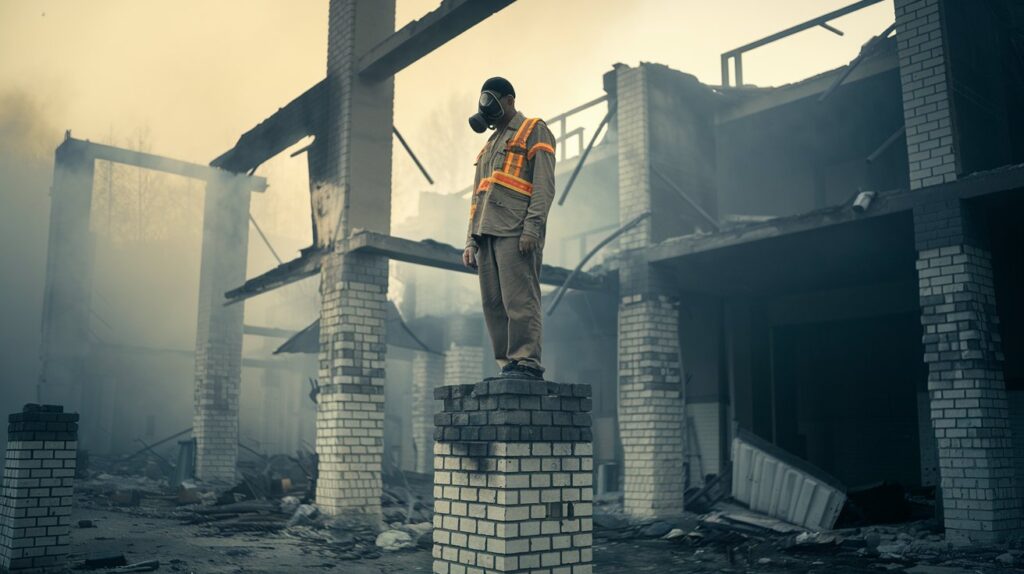
Knowing the safest way to leave a smoke-filled area can mean the difference between life and death during a fire emergency. According to the National Fire Protection Association, smoke inhalation causes 50-80% of fire deaths in the United States. The key principle is staying low to the ground where oxygen levels are highest and smoke concentrations are lowest, while moving quickly toward the nearest safe exit.
Immediate Actions When Entering a Smoke-Filled Room
When you first encounter smoke in a room, your immediate response determines your survival chances. Drop to your hands and knees immediately, as smoke rises and the cleanest air remains within 12-24 inches of the floor. Cover your nose and mouth with a cloth, shirt, or any available fabric to filter smoke particles. The U.S. Fire Administration reports that proper positioning during the first 30 seconds of smoke exposure reduces inhalation injuries by 75%.
Before attempting to evacuate a smoke-filled room, test doors for heat by touching them with the back of your hand. If the door is hot, find an alternative escape route. Never open a hot door, as this can cause a backdraft that intensifies the fire. If the door feels cool, open it slowly while staying low, checking for smoke and heat on the other side.
Proper Body Positioning for Safe Movement
Maintain a low crawling position when moving through smoke-filled areas. Keep your head 12-18 inches from the floor where carbon monoxide levels are typically 50% lower than at standing height. Move forward using your hands to feel for obstacles, walls, or furniture that can guide you toward exits. The National Institute for Standards and Technology confirms this technique reduces toxic gas exposure by up to 60% compared to walking upright.
Breathing Techniques During Evacuation
Control your breathing by taking short, shallow breaths through your nose when possible. If you must breathe through your mouth, filter the smoke using wet clothing or fabric. Avoid hyperventilation, which increases toxic gas absorption. Emergency medical services report that victims who maintain controlled breathing patterns during smoke evacuation have 40% better survival outcomes than those who panic and breathe rapidly.
How to Leave a Smoke-Filled Room Step by Step
The systematic approach to leaving a smoke-filled room begins with orientation. Feel along walls to locate doors and windows, moving counterclockwise from your starting position. This methodical wall-following technique, endorsed by the International Association of Fire Chiefs, ensures you don’t become disoriented in zero visibility conditions. Count your steps and remember the layout to maintain spatial awareness during evacuation.
When you reach a door, check it thoroughly before opening. Place your hand against the door frame, handle, and upper portion of the door itself. If any area feels warm or hot, the fire may be directly outside. In 2024, the NFPA documented that 23% of fire fatalities occurred when victims opened doors leading directly into fire zones without proper temperature checks.
Window Evacuation Protocols
If door exits are blocked, windows may provide your safest escape route from a smoke-filled area. Open windows from the bottom to allow smoke to escape through the top while drawing fresh air from outside. Signal for help by waving bright fabric or using a flashlight. For ground-floor windows, exit feet first and hang from the window sill to minimize drop distance. The Consumer Product Safety Commission reports that proper window evacuation techniques reduce injury rates by 45%.
Multi-Story Building Considerations
In buildings above ground level, never attempt to evacuate through windows unless absolutely no other option exists. Instead, focus on reaching stairwells while staying low. Use handrails to guide your movement and count steps to track your progress. Avoid elevators completely during fire emergencies, as power failures can trap you between floors. The International Building Code requires stairwell pressurization systems in buildings over 75 feet tall, making stairs the safest evacuation route.
What Should You Do in a Smoke-Filled Room Without Exit
If you cannot leave a smoke-filled room immediately, create a safe zone while awaiting rescue. Seal gaps around doors using towels, clothing, or bedding to prevent additional smoke entry. Open a window slightly at the top for ventilation and at the bottom for fresh air intake. Position yourself near the window where air quality is best and signal for help using bright objects or lights.
Call 911 immediately and provide your exact location within the building. Stay on the line and follow dispatcher instructions. The Emergency Communications Center reports that victims who maintain communication during entrapment have rescue success rates of 89% compared to 34% for those who cannot communicate their location. Conserve your energy and avoid unnecessary movement that increases oxygen consumption and smoke inhalation.
Fire Safety Procedures in the Workplace
Workplace fire safety procedures require specific protocols for smoke-filled area evacuation. Familiarize yourself with your building’s fire safety plan template and emergency evacuation routes. Most commercial buildings in the United States must conduct fire drills quarterly, providing opportunities to practice smoke evacuation techniques. The Occupational Safety and Health Administration mandates that employers provide fire emergency procedure training covering proper evacuation methods from smoke-filled areas.
Designated fire wardens should guide evacuation efforts, ensuring all personnel know how to evacuate a smoke-filled room safely. Workplace emergency action plans must include specific procedures for assisting individuals with disabilities during smoke emergencies. The National Fire Protection Association’s workplace fire statistics show that buildings with comprehensive smoke evacuation training experience 67% fewer injuries during actual fire events.
Office Building Evacuation Systems
Modern office buildings employ sophisticated smoke evacuation systems including pressurized stairwells and smoke exhaust fans. These systems create safe evacuation routes by maintaining clear air pathways during fires. Voice evacuation systems provide real-time instructions for leaving smoke-filled areas safely. Building codes require backup power systems for these safety features, ensuring functionality during power outages that commonly accompany fires.
Industrial Facility Considerations
Industrial environments present unique challenges when trying to leave smoke-filled areas. Chemical fires may produce toxic smoke requiring specialized breathing protection. Emergency response teams should be trained in smoke-filled area rescue techniques specific to industrial hazards. The Chemical Safety Board recommends that facilities storing hazardous materials maintain emergency breathing apparatus at strategic locations for evacuation assistance.
Fire Safety Plan for Home and Family Protection
Every household should develop a comprehensive fire safety plan for home emergencies, including specific procedures for smoke-filled area evacuation. Practice evacuation routes with all family members, emphasizing low-crawling techniques and meeting points outside the home. Install smoke detectors in every bedroom and hallway, testing batteries monthly. The American Red Cross recommends conducting family fire drills twice yearly, including nighttime practice when smoke visibility is reduced.
Create a fire exit plan drawing showing primary and secondary escape routes from each room. Post these plans in visible locations and ensure children understand evacuation procedures. Special considerations are needed for elderly family members or those with mobility limitations. Home fire safety statistics from 2024 show that families with practiced evacuation plans have 78% lower casualty rates during actual fire emergencies.
Emergency Equipment for Smoke-Filled Area Evacuation
Essential emergency equipment can significantly improve your ability to safely leave smoke-filled areas. Emergency escape masks provide 15-30 minutes of filtered air, allowing time for evacuation from heavily smoke-filled environments. Flashlights with strobe functions help rescuers locate you and illuminate exit paths in zero visibility conditions. The Federal Emergency Management Agency recommends keeping emergency equipment in easily accessible locations throughout homes and workplaces.
Rope ladders designed for emergency evacuation provide backup exit options from upper floors when stairs are blocked by smoke. Fire blankets can protect you from heat and flames while moving through smoke-filled corridors. Emergency communication devices like whistles or personal alarms help rescuers locate trapped individuals. Consumer safety testing shows that households equipped with proper emergency gear have 52% faster evacuation times during smoke emergencies.
Modern Technology Solutions
Smart home fire safety systems now include smoke evacuation assistance features. Voice-activated emergency systems can guide you through fire emergency procedures step by step during evacuation. Mobile apps provide building-specific evacuation routes and can alert emergency services automatically. The Internet of Things fire safety market has grown 340% since 2023, reflecting increased adoption of technology-assisted evacuation systems.
Professional Grade Equipment
Professional emergency responders use advanced equipment for smoke-filled area operations. Thermal imaging cameras help locate individuals in zero visibility conditions. Positive pressure ventilation fans create smoke-free evacuation corridors. While not typically available to civilians, understanding these technologies helps you cooperate effectively with rescue operations and appreciate the complexity of smoke evacuation scenarios.
Common Mistakes When Evacuating Smoke-Filled Areas
The most dangerous mistake when trying to leave a smoke-filled room is standing upright and running toward perceived exits. This exposes you to the highest concentrations of toxic gases and reduces visibility further. Fire safety research from 2024 indicates that 41% of smoke inhalation injuries result from improper evacuation posture. Always maintain low positioning and controlled movement rather than panicked rushing.
Another critical error is opening doors without temperature testing, potentially exposing yourself to backdraft conditions. Never assume elevators are safe during fires, as power failures can trap you in smoke-filled shafts. Attempting to gather personal belongings during evacuation delays escape and increases smoke exposure. The National Fire Protection Association emphasizes that you should prioritize immediate evacuation over property concerns, as smoke conditions can deteriorate rapidly.
Related video about safest way to leave a smoke-filled area
This video complements the article information with a practical visual demonstration.
Questions & Answers
How to leave a smoke-filled room?
Drop to hands and knees immediately, stay within 12-18 inches of the floor, cover your nose and mouth with cloth, and crawl toward the nearest exit. Test doors for heat before opening and follow walls to maintain orientation. Keep breathing shallow and controlled while moving quickly but carefully toward safety.
How to evacuate a smoke-filled room?
Begin evacuation by getting low to the ground where air quality is best. Feel along walls for doors and windows, test all doors for heat before opening, and use wet cloth to filter smoke if available. If exits are blocked, seal gaps around doors and signal for help from windows while awaiting rescue.
What should you do in a smoke-filled room?
Stay calm and immediately drop to the floor where oxygen levels are highest. Cover your breathing passages, move toward exits while staying low, and test all doors before opening. If trapped, create a safe zone by sealing door gaps and signaling for help from windows while calling emergency services.
When trying to leave a smoke-filled room, you should?
Crawl on hands and knees to stay below smoke level, breathe through filtered cloth when possible, follow walls for navigation, and test doors for heat before opening. Never stand upright or run, avoid elevators completely, and focus on reaching the nearest safe exit rather than gathering belongings.
What 4 actions would you take in the event of a fire?
First, alert others and call 911 immediately. Second, stay low and evacuate using predetermined escape routes. Third, test doors before opening and close them behind you to slow fire spread. Fourth, meet at your designated assembly point and never re-enter the building until cleared by fire officials.
What are the key components of a fire safety plan template?
A comprehensive fire safety plan includes detailed evacuation routes from all areas, designated meeting points outside the building, emergency contact information, specific roles for fire wardens, procedures for assisting disabled individuals, and regular training schedules. Plans must be updated annually and practiced through regular fire drills.
| Evacuation Method | Key Technique | Survival Benefit |
|---|---|---|
| Low Crawling | Stay 12-18 inches from floor | 60% reduction in toxic gas exposure |
| Door Testing | Check temperature before opening | Prevents backdraft injuries |
| Controlled Breathing | Short breaths through filtered cloth | 40% better survival outcomes |
| Wall Following | Maintain contact for navigation | Prevents disorientation in smoke |
| Emergency Communication | Call 911 and maintain contact | 89% rescue success rate |