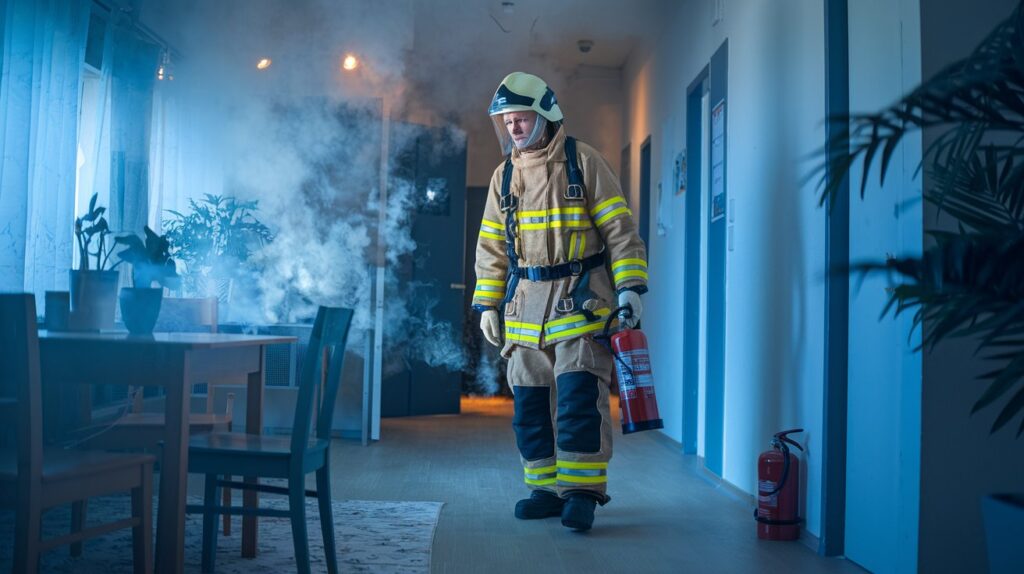
When a fire emergency occurs, following proper procedures can save lives and minimize property damage. This comprehensive guide outlines critical fire incident procedures that every individual and organization should know, from immediate response actions to complete evacuation protocols. Understanding these emergency procedures ensures quick, effective action during dangerous situations.
What Constitutes a Fire Emergency
A fire emergency encompasses any situation where flames, smoke, or excessive heat pose immediate danger to life or property. This includes actual fires, suspicious smoke odors, overheated electrical equipment, and chemical reactions producing heat or flames. According to the National Fire Protection Association (NFPA), over 1.3 million fires occur annually in the United States, resulting in approximately 3,500 civilian deaths and $18 billion in property damage as of 2024.
Recognizing early warning signs is crucial for effective fire emergency response. These indicators include visible flames, smoke, burning odors, unusual heat from walls or doors, sparks from electrical equipment, and activated fire detection systems. Swift identification allows for immediate implementation of proper procedures during fire incidents, significantly reducing risks to personnel and property damage.
10 Basic Response Procedures During Fire Incidents
The 10 basic response procedures form the foundation of effective fire emergency management. These standardized steps ensure systematic action regardless of fire location or size. The procedures include: sound the alarm immediately, evacuate the immediate area, close doors behind you, call emergency services, assist others if safely possible, proceed to designated assembly areas, account for all personnel, remain calm throughout the process, follow instructions from emergency responders, and do not re-enter until authorities declare it safe.
Each fire incident procedure serves a specific purpose in the emergency response chain. Sounding alarms alerts others to danger, while closing doors helps contain fire spread. Moving to assembly areas facilitates headcounts and ensures emergency responders can locate everyone. These emergency procedures have been refined through decades of fire safety research and real-world incident analysis, making them highly effective when properly executed.
Fire Discovery and Initial Response Actions
Discovering a fire emergency triggers immediate action requirements that can determine the outcome of the entire incident. The first person to discover fire must simultaneously assess the situation and begin response procedures. This dual approach involves quickly evaluating fire size, location, and spread potential while initiating alarm systems and evacuation protocols.
Sound the Alarm Immediately
Activating fire alarm systems represents the most critical initial action upon fire discovery. Manual pull stations should be activated while moving toward exits, ensuring maximum warning time for building occupants. Modern fire detection systems in the United States must comply with NFPA 72 standards, providing automatic activation and notification capabilities. However, manual activation remains essential when automatic systems fail or haven’t yet detected the fire.
Leave the Building Immediately
Immediate evacuation procedures must commence without delay once fire is discovered. Personal belongings should be abandoned, and elevators avoided completely during fire emergencies. The 2024 International Building Code requires clearly marked exit routes in all commercial buildings, with emergency lighting systems maintaining illumination for minimum 90 minutes during power outages. Following designated evacuation routes ensures safe egress even in smoke-filled conditions.
Call for Professional Help
Contacting emergency services represents a critical component of fire emergency procedures. Dialing 911 immediately provides professional firefighters with crucial incident information including location, fire size, and potential hazards. The average emergency response time in urban areas of the United States is approximately 4-6 minutes, making early notification essential for effective suppression efforts. Providing clear, accurate information helps dispatchers allocate appropriate resources and personnel.
Workplace Fire Emergency Procedures
Workplace fire emergency procedures require comprehensive planning tailored to specific facility characteristics and occupant needs. The Occupational Safety and Health Administration (OSHA) mandates that employers develop written emergency action plans for facilities with 10 or more employees. These plans must include alarm systems, evacuation procedures, designated meeting locations, and employee responsibilities during emergencies.
Effective fire emergency response procedures in workplace settings involve designated fire wardens, regular evacuation drills, and specialized protocols for areas containing hazardous materials. Fire wardens receive enhanced training to assist with evacuation, conduct area sweeps, and coordinate with emergency responders. Regular drills, conducted quarterly in most jurisdictions, ensure employees understand their roles and can execute evacuation procedures efficiently during actual emergencies.
The 5 Stages of Fire Evacuation Process
The 5 stages of evacuation process provide a systematic framework for safe building egress during fire emergencies. Stage 1 involves immediate threat recognition and alarm activation. Stage 2 encompasses decision-making and route selection. Stage 3 includes actual movement toward exits while assisting others. Stage 4 involves reaching safe assembly areas and conducting headcounts. Stage 5 consists of remaining in safe zones until authorities provide all-clear signals.
Understanding each evacuation stage helps individuals respond appropriately rather than panic during emergencies. The pre-movement phase typically lasts 30 seconds to 2 minutes, during which people process alarm signals and decide on actions. Movement speed varies by individual capability and building design, with average evacuation rates of 1.2 meters per second on level surfaces and 0.5 meters per second on stairs. These fire evacuation procedures account for human behavior patterns observed during actual emergency situations.
The 5 P’s of Fire Evacuation
The 5 P’s of fire evacuation represent essential principles ensuring successful emergency egress: Preparation, People, Pathways, Procedures, and Practice. Preparation involves advance planning and resource allocation. People encompasses all occupants requiring evacuation assistance. Pathways refer to designated routes and alternate exits. Procedures include step-by-step response actions. Practice involves regular drills and training exercises.
Each of the 5 P’s contributes critically to overall evacuation success. Preparation includes developing comprehensive fire emergency procedures, installing appropriate equipment, and training personnel. People considerations address individuals with disabilities, visitors unfamiliar with the building, and high-occupancy areas requiring additional assistance. Pathway management ensures exit routes remain clear and properly marked with compliant signage and lighting systems meeting current building codes.
Fire Safety and Protection Systems
Modern fire safety systems integrate detection, suppression, and communication technologies to provide comprehensive protection. These systems include smoke detectors, heat sensors, automatic sprinklers, fire extinguishers, and mass notification systems. The 2024 edition of NFPA 13 requires automatic sprinkler systems in new commercial buildings over 5,000 square feet, significantly improving fire suppression capabilities and occupant safety during emergencies.
Effective fire protection systems work synergistically with established fire emergency procedures to minimize damage and casualties. Automatic systems provide early detection and suppression while manual systems allow occupants to address small fires before professional help arrives. Regular maintenance and testing ensure all components function properly during actual emergencies. Professional inspection schedules vary by system type, with smoke detectors requiring monthly testing and sprinkler systems needing annual professional inspections.
Emergency Evacuation Areas and Assembly Points
Designated emergency evacuation areas serve as safe gathering locations where evacuees can await further instructions from emergency responders. These areas must be located at least 150 feet from buildings to avoid falling debris and allow emergency vehicle access. Assembly points require clear marking, adequate capacity for all building occupants, and protection from weather conditions when possible.
Proper assembly area management involves conducting headcounts to account for all personnel and providing information to emergency responders about potentially missing individuals. Area coordinators, typically building management or designated employees, maintain evacuation rosters and communicate with fire department personnel. These evacuation procedures ensure rapid identification of anyone requiring rescue assistance while keeping evacuees safely away from immediate danger zones.
Elevator Use During Fire Emergencies
Elevators present significant dangers during fire emergencies and should never be used for evacuation purposes. Fire can cause electrical failures, trapping occupants between floors. Heat can cause elevator shafts to act as chimneys, filling cars with deadly smoke. Power outages frequently accompany fires, leaving elevators inoperable. The International Building Code specifically prohibits elevator use during fire emergencies except by trained firefighters with specialized keys.
Modern fire emergency procedures emphasize stairwell evacuation as the only safe egress method during fire incidents. Buildings must maintain pressurized stairwells to prevent smoke infiltration and provide emergency lighting for safe navigation. Individuals with mobility limitations should have pre-planned assistance procedures or access to areas of refuge designed for temporary safety while awaiting professional rescue. These specialized areas include enhanced fire resistance and direct communication capabilities with emergency responders.
Fire Alarm System Interruption Protocols
When fire alarm interruption occurs during an emergency, alternative communication methods become essential for coordinating evacuation efforts. Building personnel must implement backup notification procedures including public address systems, air horns, or voice announcements. The continuity of fire emergency procedures depends on multiple communication pathways rather than relying solely on automatic alarm systems.
Alarm system failures require immediate notification to fire departments and building management. Emergency coordinators must assume responsibility for ensuring all occupants receive evacuation instructions through alternative means. These backup procedures during fire incidents include floor-by-floor searches, manual notification methods, and coordination with arriving emergency responders to prevent confusion and ensure complete building evacuation.
Related video about procedure during a fire incident
This video complements the article information with a practical visual demonstration.
Questions & Answers
What are the 5 emergency procedures everyone should know?
The 5 essential emergency procedures are: 1) Recognize the emergency and assess immediate danger, 2) Alert others by activating alarms and shouting warnings, 3) Evacuate immediately using designated routes, 4) Call 911 or emergency services, and 5) Assemble at designated safe areas for headcount. These procedures form the foundation of effective emergency response and can be applied to various emergency situations including fires, medical emergencies, and natural disasters.
What is the procedure in case of a fire?
Fire emergency procedures follow the acronym RACE: Rescue anyone in immediate danger, Alarm by activating fire alarms and calling 911, Contain by closing doors to slow fire spread, and Evacuate using stairs only. Never use elevators during fires. Move quickly but calmly to designated assembly areas, assist others if safely possible, and remain outside until authorities declare the building safe to re-enter.
What are the 5 stages of the evacuation process?
The 5 evacuation stages are: 1) Recognition stage where individuals become aware of the emergency, 2) Decision stage involving route selection and preparation, 3) Action stage with actual movement toward exits, 4) Assembly stage at designated safe areas, and 5) Accountability stage with headcounts and communication with emergency responders. Each stage has specific timeframes, with recognition typically taking 30 seconds to 2 minutes.
What are the 5 P’s of fire evacuation?
The 5 P’s of fire evacuation are Preparation (advance planning and training), People (identifying all occupants needing assistance), Pathways (maintaining clear exit routes), Procedures (step-by-step response actions), and Practice (regular drills and exercises). These principles ensure comprehensive evacuation planning that addresses all aspects of emergency egress from initial planning through successful implementation during actual emergencies.
How often should fire evacuation drills be conducted?
Fire evacuation drills should be conducted quarterly in most commercial buildings according to NFPA standards and local fire codes. Schools typically require monthly drills, while healthcare facilities may need more frequent practice due to mobility-impaired occupants. High-rise buildings over 75 feet require additional specialized training. Regular drills help identify weaknesses in evacuation procedures and ensure all occupants can respond effectively during actual emergencies.
What should you do if you’re trapped during a fire?
If trapped during a fire, move to the room farthest from the fire source, close all doors between you and the fire, seal gaps around doors with wet towels or clothing, and signal for help from windows. Call 911 immediately and provide your exact location. Stay low to avoid smoke inhalation and cover your nose and mouth with cloth. Never break windows unless absolutely necessary for rescue, as this can increase oxygen flow and intensify the fire.
| Emergency Procedure | Key Actions | Critical Benefits |
|---|---|---|
| Immediate Response | Sound alarm, evacuate immediately, call 911 | Saves lives through rapid notification and egress |
| Evacuation Process | Use stairs only, close doors, assist others | Prevents smoke spread and ensures safe exit |
| Assembly Procedures | Gather at designated areas, conduct headcount | Enables accurate accountability and rescue coordination |
| Regular Training | Quarterly drills, procedure updates, equipment checks | Ensures preparedness and identifies system weaknesses |