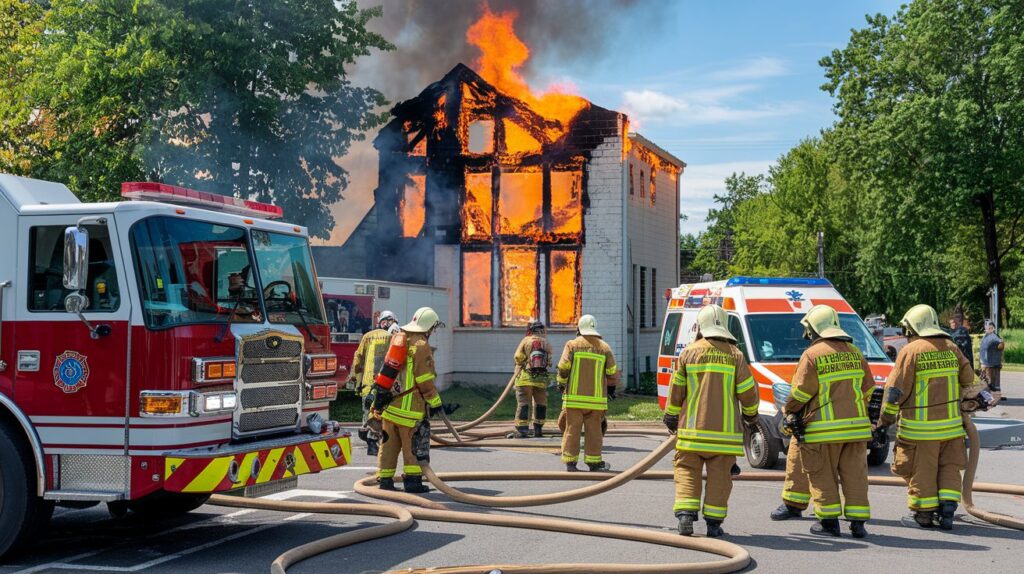
Fire accidents claim thousands of lives and cause billions in property damage across the United States annually. Understanding the main causes of fire accidents is crucial for prevention and safety. This comprehensive guide examines the top fire hazards, prevention strategies, and essential safety measures that can protect your home, workplace, and community from devastating fire incidents.
Leading Causes of Fire Accidents in American Homes
Residential fires account for approximately 80% of all fire deaths in America, making home fire safety a critical concern. The National Fire Protection Association reports that cooking equipment causes 50% of all home structure fires, followed by heating equipment at 14%. Understanding these primary causes of fire accidents helps homeowners implement targeted prevention strategies.
Electrical issues rank as the third leading cause, responsible for 13% of home fires annually. Faulty wiring, overloaded circuits, and damaged electrical appliances create dangerous conditions that can ignite fires without warning. These electrical fire hazards often develop silently, making regular electrical inspections essential for home safety.
Cooking-Related Fire Incidents
Unattended cooking remains the number one cause of fire accidents in American kitchens, causing over 170,000 home fires annually. Grease fires, overheating appliances, and combustible materials near heat sources create dangerous situations. Kitchen fires spread rapidly, with flames reaching ceiling height within three minutes of ignition, emphasizing the importance of constant vigilance while cooking.
Heating System Failures
Heating equipment causes approximately 48,000 home fires each year, resulting in significant property damage and injuries. Space heaters, fireplaces, and faulty furnaces pose particular risks when improperly maintained or operated. Blocked vents, accumulated debris, and inadequate clearances around heating equipment contribute to these preventable fire accidents.
Workplace Fire Hazards and Industrial Accidents
Industrial and commercial facilities face unique fire accident risks that differ significantly from residential hazards. Manufacturing processes, chemical storage, and electrical equipment create complex fire scenarios requiring specialized prevention strategies. The Occupational Safety and Health Administration reports that workplace fires cause over $2.3 billion in property damage annually across American businesses.
Warehouses present particularly challenging fire risks due to high-stacked combustible materials, limited access for firefighting equipment, and rapid flame spread potential. These facilities require comprehensive fire protection systems including automatic sprinklers, smoke detection, and proper storage protocols to minimize fire accident causes.
Chemical and Hazardous Material Fires
Chemical storage areas and manufacturing facilities handling flammable materials experience unique fire accident scenarios requiring specialized response protocols. Improper storage, incompatible chemical mixing, and inadequate ventilation systems contribute to explosive fire conditions. These incidents often result in toxic smoke production, complicating evacuation and firefighting efforts.
Electrical Equipment Malfunctions
Industrial electrical systems pose significant fire hazards in workplace environments, particularly in facilities with aging infrastructure or high electrical demands. Overloaded panels, corroded connections, and inadequate grounding systems create conditions for electrical fires that can quickly spread throughout large commercial buildings.
Human Error and Behavioral Fire Causes
Human negligence contributes to approximately 90% of all fire accidents in America, making behavioral factors the most significant fire risk element. Smoking materials, careless disposal of hot items, and inadequate supervision of fire sources create preventable hazardous conditions. Educational programs focusing on fire safety awareness can dramatically reduce these human-caused incidents.
Children playing with fire sources account for thousands of residential fire accidents annually, with matches and lighters being the most common ignition sources. Proper storage of ignition materials and comprehensive fire safety education for children are essential prevention measures for families with young children.
Weather-Related and Natural Fire Causes
Lightning strikes cause approximately 25,000 fires annually in the United States, with peak activity occurring during summer thunderstorm seasons. These natural fire incidents often affect rural areas and wildland-urban interface zones where fire suppression resources may be limited. Proper lightning protection systems and defensible space creation help mitigate these natural fire risks.
Extreme weather conditions including drought, high winds, and elevated temperatures create favorable conditions for fire accident propagation. Climate change has intensified these weather-related fire risks, requiring adaptive fire prevention strategies and enhanced community preparedness measures.
Wildfire Urban Interface Risks
The expanding wildland-urban interface creates unique fire accident vulnerabilities for millions of American residents. Homes built in or near wildland areas face increased risks from both natural and human-caused fires. Ember exposure, radiant heat, and direct flame contact threaten structures during wildfire events, requiring specialized construction materials and landscaping strategies.
Power Line Associated Fires
Electrical power lines contribute to thousands of fire accidents annually, particularly during high wind conditions or when vegetation grows too close to conductors. Utility companies implement vegetation management programs and equipment upgrades to reduce these fire risks, but power line-related incidents remain a significant concern in many regions.
Fire Prevention Strategies and Safety Measures
Comprehensive fire prevention programs address the multiple causes of fire accidents through systematic risk assessment and hazard mitigation. Regular maintenance of electrical systems, proper storage of flammable materials, and installation of fire detection equipment form the foundation of effective fire prevention strategies. These proactive measures significantly reduce fire accident probability and severity.
Emergency planning and evacuation procedures are essential components of fire safety programs, ensuring occupants can safely exit buildings during fire emergency situations. Regular drills, clear egress marking, and accessible evacuation routes help minimize injuries and fatalities when fires do occur despite prevention efforts.
Fire Detection and Suppression Technologies
Advanced fire detection systems using smoke, heat, and flame sensors provide early warning capabilities that can prevent small fires from becoming major fire accidents. These systems integrate with automatic suppression equipment including sprinklers, foam systems, and gaseous suppression agents to control fires in their incipient stages. Modern detection technology can identify fire conditions within seconds of ignition.
Automatic sprinkler systems remain the most effective fire suppression technology for protecting lives and property, reducing fire deaths by 80% and property damage by 70% in buildings where they are installed. Regular testing and maintenance of these systems ensures reliable operation when needed most during fire emergencies.
Related video about causes of fire accidents
This video complements the article information with a practical visual demonstration.
Important things to know about causes of fire accidents
What is the number one cause of fire accidents in America?
Cooking equipment is the leading cause of fire accidents in American homes, responsible for approximately 50% of all residential structure fires. Unattended cooking, overheating oil, and combustible materials near heat sources create the most common fire scenarios. These cooking-related incidents result in thousands of injuries and millions in property damage annually.
What causes 90% of all fire accidents?
Human error and negligence cause approximately 90% of all fire accidents in the United States. This includes careless smoking, improper disposal of hot materials, unattended cooking, electrical misuse, and inadequate fire safety practices. Most fire accidents are preventable through proper education, awareness, and adherence to fire safety protocols.
What are the top 5 causes of fire accidents at home?
The top five causes of home fire accidents are: cooking equipment (50%), heating systems (14%), electrical problems (13%), intentional fires (5%), and smoking materials (5%). These five categories account for approximately 87% of all residential fire incidents, making targeted prevention efforts highly effective for home fire safety.
What is the main cause of fire deaths in America?
Smoke inhalation, rather than burns, causes approximately 75% of fire-related deaths in America. Most fatal fires occur at night when people are sleeping and may not detect smoke quickly enough to escape safely. Working smoke alarms reduce the risk of dying in a home fire by 50%, making early detection critical for survival.
What are common workplace fire accident causes?
Common workplace fire causes include electrical equipment malfunctions, improper storage of flammable materials, hot work operations like welding, chemical reactions, and heating system failures. Industrial facilities also face risks from dust accumulation, machinery friction, and process-related heat sources that can ignite combustible materials in the work environment.
How can fire accidents be prevented effectively?
Fire accident prevention involves multiple strategies: installing and maintaining smoke detectors, proper electrical system maintenance, safe cooking practices, appropriate storage of flammable materials, regular heating system inspections, and comprehensive fire safety education. Emergency planning and evacuation procedures also minimize harm when fires do occur despite prevention efforts.
| Fire Cause Category | Prevention Method | Safety Benefit |
|---|---|---|
| Cooking Equipment | Never leave cooking unattended | Reduces 50% of home fires |
| Electrical Systems | Regular professional inspections | Prevents electrical fire hazards |
| Heating Equipment | Annual maintenance and cleaning | Eliminates 14% of fire causes |
| Smoke Detection | Install working smoke alarms | Reduces fire deaths by 50% |