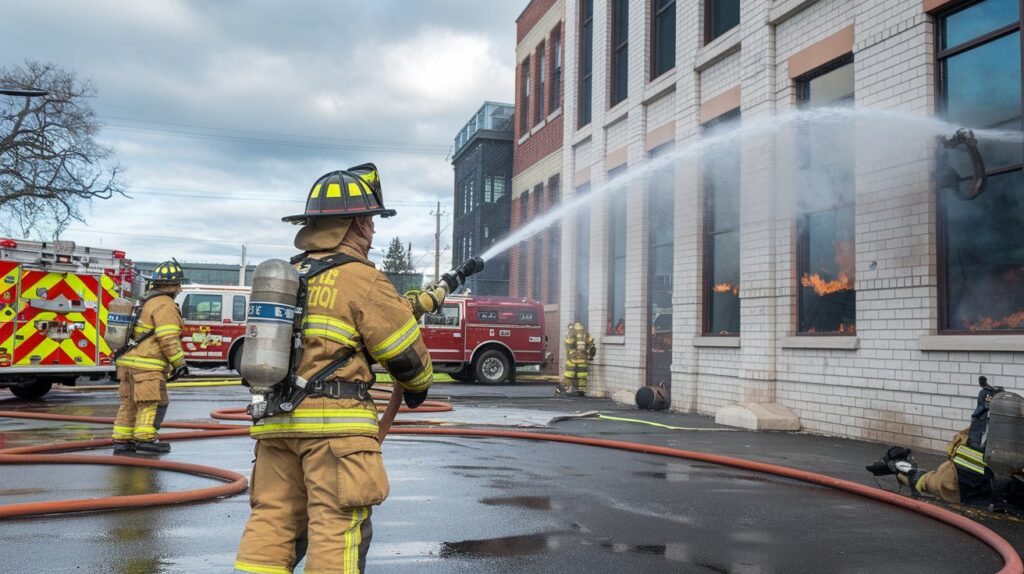
The objectives of fire protection encompass three fundamental goals that work together to safeguard lives, property, and business operations. Understanding these core objectives is essential for developing comprehensive fire safety plans that meet OSHA requirements and protect against devastating losses. In 2024, fire departments responded to over 1.35 million fires in the United States, highlighting the critical importance of effective fire protection strategies.
The 3 Primary Objectives of Fire Protection
Fire protection systems serve three fundamental objectives of fire protection that form the foundation of comprehensive safety planning. These interconnected goals ensure maximum protection against fire-related hazards while maintaining operational continuity for businesses and organizations across the United States.
The primary objective of fire safety extends beyond simple fire suppression to encompass prevention, detection, and coordinated emergency response. Modern fire protection strategies integrate advanced technologies with proven safety protocols to achieve these critical objectives effectively.
Life Safety Protection
The paramount objective of fire protection is preserving human life through early detection systems, clear evacuation routes, and emergency response protocols. According to the National Fire Protection Association, properly implemented life safety measures reduce fire-related fatalities by up to 85% in commercial buildings. This objective requires comprehensive planning that addresses occupant notification, safe egress pathways, and emergency communication systems throughout all facility areas.
Property Protection
Property protection represents the second critical objective of fire protection, focusing on minimizing structural damage and asset losses through suppression systems and containment strategies. Fire protection systems designed for property preservation include automatic sprinkler systems, fire barriers, and specialized suppression agents. In 2024, businesses with comprehensive property protection systems experienced 70% less fire damage compared to those with basic protection measures.
Business Continuity
The third objective of fire protection ensures operational continuity by minimizing business interruption and protecting critical infrastructure. This objective encompasses protecting essential equipment, maintaining supply chain operations, and reducing downtime following fire incidents. Studies show that businesses with robust continuity-focused fire protection goals resume operations 60% faster than those without comprehensive planning.
How Fire Protection Goals Work Together
Effective fire protection goals operate as an integrated system where each objective reinforces and supports the others. The synergistic relationship between life safety, property protection, and business continuity creates comprehensive defense mechanisms that address multiple threat scenarios simultaneously.
Modern fire protection strategies recognize that achieving one objective of fire protection often enhances the others. For example, early detection systems that protect lives also minimize property damage by enabling faster response times, while business continuity planning ensures emergency resources remain available for ongoing life safety operations.
Essential Components of Fire Prevention Plans
The basic purpose of protection against fire is implemented through comprehensive prevention plans that address potential ignition sources, fuel management, and emergency procedures. OSHA requires specific businesses to maintain written fire prevention plans that outline hazard identification, maintenance procedures, and employee training requirements.
An effective Fire Prevention Plan pdf must include detailed procedures for controlling ignition sources, managing flammable materials, and maintaining fire protection equipment. The plan should specify employee responsibilities, training schedules, and regular inspection protocols to ensure ongoing compliance with federal safety standards.
OSHA Fire Prevention Plan Requirements
OSHA mandates that employers with flammable liquids, gases, or combustible materials develop comprehensive prevention strategies using an OSHA fire prevention plan template. These plans must identify workplace fire hazards, specify control measures, and outline employee training requirements. The regulation applies to facilities with significant fire risks, including manufacturing plants, chemical storage facilities, and operations involving hot work processes.
Fire Prevention Plan Template Components
A compliant Fire prevention Plan Template includes hazard assessment procedures, housekeeping requirements, equipment maintenance schedules, and employee training protocols. The template must specify procedures for controlling transient fire loads, managing heat-producing equipment, and coordinating with local fire departments. Regular plan reviews and updates ensure continued effectiveness and regulatory compliance throughout changing operational conditions.
Fire Safety Training and Risk Assessment
The Objectives of fire safety Training encompass hazard recognition, emergency response procedures, and proper equipment operation to ensure effective fire protection implementation. Training programs must address specific workplace hazards, evacuation procedures, and coordination with emergency responders to achieve comprehensive safety preparedness.
Understanding what is the purpose of fire safety risk assessment is crucial for identifying potential fire hazards, evaluating existing protection measures, and developing improvement strategies. Risk assessments provide the foundation for targeted training programs and equipment upgrades that address specific facility vulnerabilities.
Building-Specific Fire Safety Planning
Developing a comprehensive Fire safety plan for building requires detailed analysis of occupancy types, construction materials, and evacuation capabilities. Building-specific plans must address unique architectural features, occupant characteristics, and local fire department response capabilities to ensure optimal protection effectiveness.
The main purpose of fire prevention in building contexts extends to protecting structural integrity, maintaining egress pathways, and ensuring emergency responder access. Modern building fire safety plans integrate passive protection features with active suppression systems to create multi-layered defense strategies.
Challenges in Achieving Fire Protection Goals
Contemporary fire protection goals face increasing complexity due to evolving building materials, changing occupancy patterns, and emerging technologies that introduce new fire risks. Climate change has intensified wildfire threats, requiring expanded protection strategies that address both structural and wildland fire exposures across many regions.
Budgetary constraints often limit the implementation of comprehensive fire protection systems, forcing organizations to prioritize certain objectives of fire protection over others. Balancing cost considerations with safety requirements demands careful analysis of risk factors, regulatory requirements, and potential loss scenarios to optimize protection investments.
Advanced Fire Protection Technologies
Emerging technologies are revolutionizing how organizations achieve their fire protection goals through intelligent detection systems, automated suppression technologies, and integrated emergency management platforms. These innovations enhance traditional protection methods while providing real-time monitoring and predictive maintenance capabilities.
Smart fire protection systems utilize artificial intelligence and IoT sensors to identify potential fire conditions before ignition occurs, supporting the preventive aspects of fire protection objectives. These systems provide early warning capabilities that significantly improve life safety outcomes while minimizing property damage through rapid intervention.
Regulatory Compliance and Standards
Meeting the objectives of fire protection requires adherence to multiple regulatory frameworks including OSHA standards, NFPA codes, and local fire safety ordinances. Compliance challenges arise from overlapping requirements, frequent code updates, and varying enforcement interpretations across different jurisdictions.
The basic purpose of protection against fire is supported by comprehensive standards that specify minimum safety requirements for different building types and occupancies. Understanding when specific regulations apply, such as When is a fire prevention plan required, is essential for maintaining legal compliance and insurance coverage.
Future of Fire Protection Implementation
The evolution of fire protection goals continues to adapt to emerging risks, technological advances, and changing regulatory requirements. Future protection strategies will integrate sustainability considerations, resilience planning, and community-wide coordination to address complex fire safety challenges.
Strengthening fire protection for safer communities requires ongoing investment in training, technology upgrades, and comprehensive planning that addresses the full spectrum of objectives of fire protection. Success depends on collaborative efforts between building owners, fire protection professionals, and regulatory authorities to implement effective safety measures.
Related video about objective of fire protection
This video complements the article information with a practical visual demonstration.
Most asked questions about objective of fire protection
What are the objectives of fire protection?
The three primary objectives of fire protection are life safety protection, property protection, and business continuity. Life safety focuses on protecting occupants through early detection and safe evacuation. Property protection minimizes structural damage and asset losses. Business continuity ensures operational resilience and faster recovery following fire incidents. These objectives work together to provide comprehensive fire safety coverage.
What are the 4 goals of fire protection?
While traditionally three objectives are recognized, some frameworks include a fourth goal: environmental protection. The core goals are life safety, property protection, business continuity, and environmental protection. Environmental protection addresses preventing toxic releases, water contamination from suppression agents, and minimizing ecological damage from fire incidents and suppression activities.
What is the basic purpose of protection against fire?
The basic purpose of protection against fire is to prevent fire occurrence, detect fires early when they do occur, and minimize their impact on lives, property, and operations. This includes eliminating ignition sources, controlling fuel loads, providing early warning systems, and implementing suppression measures. The fundamental goal is creating safe environments where fire risks are effectively managed and controlled.
What is the main purpose of fire prevention?
The main purpose of fire prevention is to eliminate conditions that could lead to fire ignition by controlling heat sources, managing combustible materials, and maintaining safe work practices. Fire prevention focuses on proactive measures including regular inspections, proper housekeeping, equipment maintenance, and employee training. Prevention is more cost-effective than suppression and provides the highest level of safety protection.
When is a fire prevention plan required by OSHA?
OSHA requires fire prevention plans for workplaces with significant fire hazards, including facilities storing flammable liquids or gases, operations involving hot work, and workplaces with combustible materials. Specific requirements apply to industries like chemical manufacturing, oil refining, and facilities using flammable substances in their processes. The plan must be written and available to employees.
What is the purpose of fire safety risk assessment?
Fire safety risk assessment identifies potential fire hazards, evaluates existing protection measures, and determines additional safety requirements needed to reduce fire risks to acceptable levels. The assessment examines ignition sources, fuel loads, building characteristics, and occupant factors to develop targeted safety improvements. Regular assessments ensure fire protection systems remain effective as conditions change.
| Fire Protection Objective | Primary Focus | Key Benefits |
|---|---|---|
| Life Safety Protection | Occupant protection and evacuation | Reduces fatalities by up to 85% |
| Property Protection | Asset preservation and damage control | 70% less fire damage |
| Business Continuity | Operational resilience and recovery | 60% faster operation resumption |
| Environmental Protection | Ecological impact minimization | Prevents toxic releases and contamination |