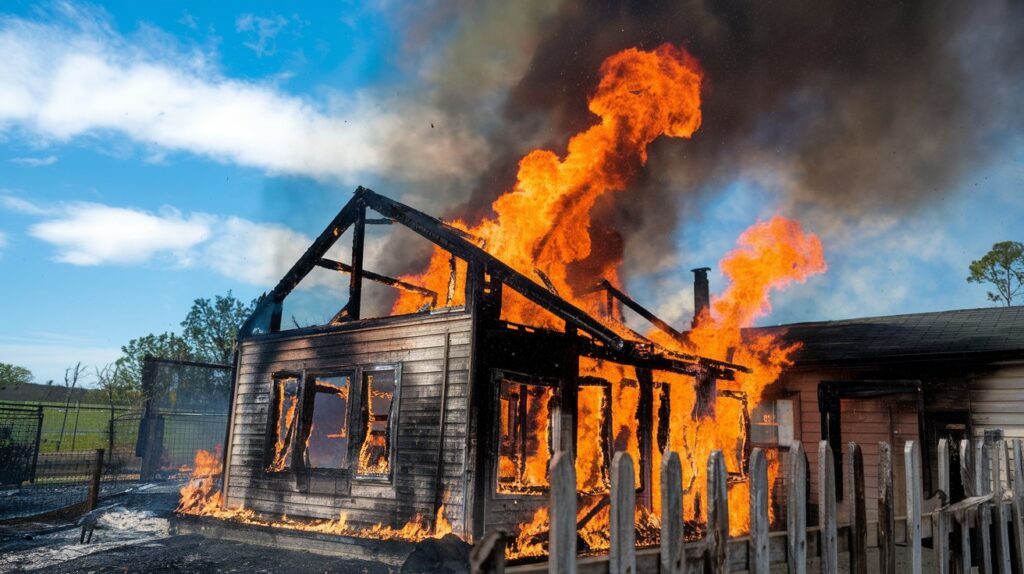
Understanding the major causes of home fires is crucial for protecting your family and property. In the United States, fire departments respond to approximately 358,500 house fires annually, causing billions in damage and tragic loss of life. This comprehensive guide reveals the top causes of residential fires, their frequency, and proven prevention strategies to keep your home safe.
What Are the Leading Causes of House Fires?
The top 10 causes of house fires account for over 85% of all residential fire incidents in America. According to the National Fire Protection Association (NFPA), cooking-related incidents top the list, responsible for nearly half of all home structure fires. Understanding these primary risk factors helps homeowners implement targeted prevention strategies.
Fire statistics reveal that electrical issues rank as the second most common cause, followed by heating equipment malfunctions. These major causes of home fires create predictable patterns that safety experts use to develop comprehensive fire prevention programs for American households.
Cooking: The Number One Cause of House Fires
Cooking fires cause 49% of all home structure fires, making kitchen safety paramount for fire prevention. Unattended cooking, overheating oil, and equipment malfunctions create the majority of these incidents. The NFPA reports that Thanksgiving Day sees the highest frequency of cooking-related fires, with three times the average daily occurrence rate.
Electrical Issues: The Second Leading Fire Risk
Electrical problems account for 13% of house fires, causing an average of $1.3 billion in property damage annually. Electrical fire causes include faulty wiring, overloaded circuits, damaged extension cords, and defective electrical appliances. Homes built before 1973 face higher electrical fire risks due to outdated wiring systems.
Top 5 Causes of House Fires by Percentage
The top 5 causes of house fires represent the most critical risk factors American homeowners must address. These statistics, compiled from NFPA data covering 2019-2023, provide clear insight into fire prevention priorities for residential properties.
Understanding the percentage breakdown of causes of house fires by percentage helps homeowners allocate their safety efforts effectively. These five primary causes account for approximately 78% of all residential fire incidents reported to U.S. fire departments.
Cooking Fires: 49% of All House Fires
Kitchen-related incidents dominate fire statistics, with cooking fires causing nearly half of all residential blazes. Stovetop cooking accounts for 61% of cooking fires, while ovens contribute 16%. Unattended cooking remains the primary factor, emphasizing the importance of constant kitchen supervision during meal preparation.
Electrical Problems: 13% of House Fires
Electrical malfunctions create significant fire risks, particularly in older homes. Electrical fire causes include arc faults, ground faults, and equipment failures. The Consumer Product Safety Commission estimates that electrical fires could be reduced by 50% through proper AFCI (Arc Fault Circuit Interrupter) installation.
Heating Equipment and Fire Risks
Heating systems cause approximately 14% of home structure fires, making them the third most significant fire risk factor. Heating equipment fires typically occur during peak winter months, with December, January, and February showing the highest incident rates across American households.
Space heaters pose particular dangers, accounting for 79% of heating equipment fire deaths. The NFPA reports that heating fire causes include inadequate clearance from combustible materials, lack of maintenance, and equipment malfunctions in furnaces, fireplaces, and portable heating devices.
Fireplace and Chimney Fire Prevention
Fireplace-related incidents cause significant property damage and injuries annually. Chimney fires result from creosote buildup, structural damage, and improper installation. The Chimney Safety Institute recommends annual inspections and cleaning to prevent these dangerous incidents that can spread rapidly through home structures.
Space Heater Safety Guidelines
Portable space heaters require careful operation to prevent fire incidents. Space heater fires occur when units are placed too close to combustible materials or left unattended. Maintaining a three-foot clearance zone and using only certified equipment significantly reduces fire risks in American homes.
Smoking Materials and Intentional Fire Causes
Smoking materials account for 5% of residential fires, while intentional fires represent 4% of incidents. Smoking-related fires often result from improper disposal of cigarettes, cigars, or pipe tobacco. These fires frequently start in bedrooms, living rooms, or outdoor areas near combustible materials.
The decline in smoking rates has correspondingly reduced fire incidents, yet smoking fire causes remain significant due to their high fatality rate. Intentional fires, including arson, create unique challenges for fire prevention and require different safety approaches than accidental incidents.
Where Do Most House Fires Start?
Kitchen areas account for 51% of home fire origins, making them the most dangerous room in American houses. Fire location statistics reveal that bedrooms rank second at 11%, followed by living rooms and family rooms at 8%. Understanding these patterns helps homeowners focus prevention efforts on high-risk areas.
The NFPA data shows that house fire start locations correlate directly with human activity patterns and heat-producing equipment placement. Basements, laundry rooms, and garages also present significant fire risks due to electrical panels, heating equipment, and storage of flammable materials.
Economic Impact of House Fires in America
House fires cause an estimated $8.9 billion in direct property damage annually in the United States. The economic loss from house fires extends beyond structural damage to include displacement costs, lost personal belongings, and increased insurance premiums for affected homeowners.
Individual fire incidents average $70,000 in damage, though total loss fires can exceed $300,000. Fire damage costs vary significantly by region, with California, Texas, and Florida experiencing the highest aggregate losses due to fire frequency and property values.
Fire Prevention Tips for American Homeowners
Implementing comprehensive fire prevention strategies significantly reduces the risk of home fires. The most effective prevention methods target the primary fire causes through equipment maintenance, safe practices, and early detection systems.
Professional fire safety experts recommend a multi-layered approach combining smoke detectors, fire extinguishers, escape planning, and regular safety inspections. These fire prevention tips have proven effective in reducing both fire frequency and severity across American residential properties.
Essential Fire Safety Equipment
Every home requires properly installed and maintained smoke detectors on each level and outside sleeping areas. Fire safety equipment should include appropriate fire extinguishers for different fire types, carbon monoxide detectors, and escape ladders for multi-story homes. Regular testing and battery replacement ensure optimal protection.
Creating a Family Fire Escape Plan
Developing and practicing a fire escape plan saves lives during emergency situations. Plans should include two exit routes from each room, designated meeting locations, and special considerations for children, elderly family members, or individuals with disabilities. Monthly practice drills ensure family preparedness.
Most Common Times for House Fires
House fires show distinct temporal patterns that help inform prevention strategies. House fire frequency peaks during evening hours between 5:00 PM and 8:00 PM, coinciding with dinner preparation and increased home occupancy rates.
Seasonal data reveals that winter months experience 25% more fires than summer months, primarily due to heating equipment usage. Fire occurrence patterns also show increased incidents during holiday periods, particularly Thanksgiving, Christmas, and New Year’s celebrations when cooking and decorating activities intensify.
Related video about major causes of home fires
This video complements the article information with a practical visual demonstration.
Your questions answered
What is the #1 cause of house fires?
Cooking is the number one cause of house fires, accounting for 49% of all home structure fires in America. Kitchen fires typically result from unattended cooking, overheating oil, or equipment malfunctions. The National Fire Protection Association reports that stovetop cooking causes 61% of all cooking-related fires.
What causes 90% of all fires?
The top six causes account for approximately 90% of house fires: cooking (49%), electrical issues (13%), heating equipment (14%), smoking materials (5%), lightning (4%), and intentional fires (4%). These statistics from NFPA data covering 2019-2023 help homeowners focus their fire prevention efforts effectively.
How do house fires most commonly start?
House fires most commonly start in kitchens through unattended cooking, followed by electrical malfunctions and heating equipment failures. Kitchen fires often begin with overheated oil or grease igniting nearby combustible materials. Electrical fires typically start within walls from faulty wiring or overloaded circuits.
What is the biggest risk of a house fire?
The biggest risk of house fires is loss of life, with approximately 2,650 civilian fire deaths occurring annually in residential properties. Beyond fatalities, house fires cause severe injuries, total property loss averaging $70,000 per incident, and long-term displacement affecting thousands of American families each year.
What are the top 3 main causes of fire?
The top three main causes of house fires are cooking (49%), heating equipment (14%), and electrical problems (13%). These three categories account for 76% of all residential fires in America, making them the primary focus areas for effective fire prevention strategies and safety planning.
What is the likelihood of a house fire?
The likelihood of experiencing a house fire is approximately 1 in 4,000 per year for American households. This translates to roughly 358,500 home structure fires annually across the United States. While the probability seems low, the devastating consequences make fire prevention and preparedness essential for every homeowner.
| Fire Cause | Percentage | Primary Prevention |
|---|---|---|
| Cooking | 49% | Never leave cooking unattended |
| Heating Equipment | 14% | Annual maintenance and clearance |
| Electrical Problems | 13% | Professional inspections and AFCI installation |
| Smoking Materials | 5% | Proper disposal and supervision |
| Lightning/Intentional | 8% | Surge protection and security measures |