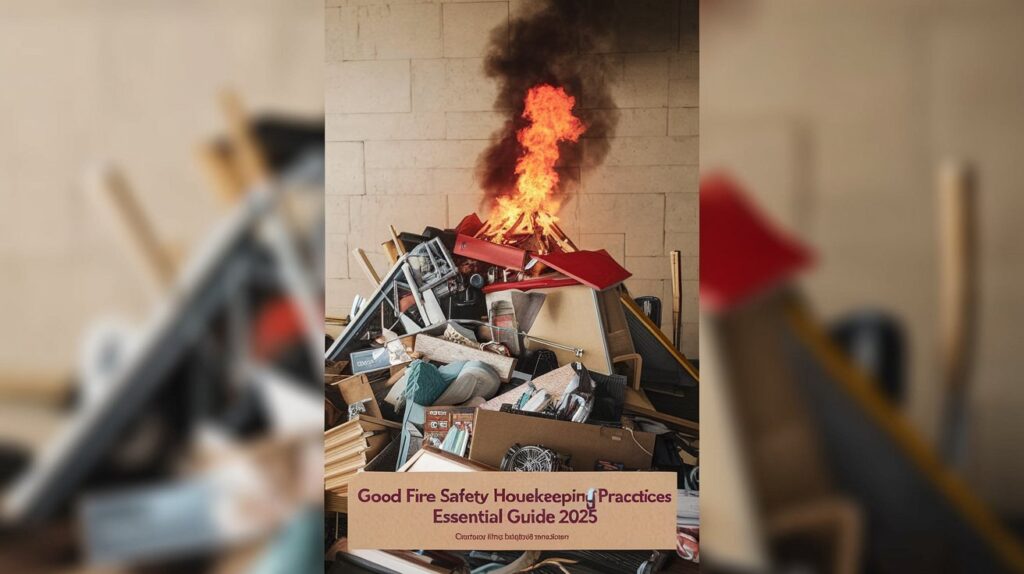
Implementing good fire safety housekeeping practices is crucial for preventing workplace fires and ensuring employee safety. These practices involve maintaining clean, organized workspaces, proper storage of combustible materials, and regular maintenance procedures that significantly reduce fire risks in any workplace environment.
What Are Good Fire Safety Housekeeping Practices
Good fire safety housekeeping practices encompass systematic approaches to maintaining workplace cleanliness and organization to prevent fire hazards. These practices include regular cleaning schedules, proper waste disposal, organized storage systems, and maintenance of fire safety equipment. According to the National Fire Protection Association, proper housekeeping prevents approximately 15,000 workplace fires annually in the United States.
The foundation of effective fire safety housekeeping lies in creating and maintaining environments where combustible materials are properly managed, ignition sources are controlled, and emergency procedures are clearly established. These practices must be integrated into daily operations rather than treated as occasional activities.
Core Elements of Fire Prevention Housekeeping
The core elements include maintaining clear evacuation routes, proper storage of flammable materials, regular cleaning of dust and debris, and systematic inspection of electrical equipment. Each element must be addressed consistently to create a comprehensive fire safety program that protects both personnel and property.
Daily Housekeeping Responsibilities
Daily responsibilities encompass cleaning work surfaces, removing combustible waste, checking for spills or leaks, and ensuring storage areas remain organized. These routine activities form the backbone of effective housekeeping practices and must be performed consistently by all employees to maintain safety standards.
The 5 Essential Fire Safety Housekeeping Practices
The five fundamental good fire safety housekeeping practices form the cornerstone of workplace fire prevention programs. These practices have been refined through decades of fire safety research and are endorsed by leading safety organizations across the United States. Implementation of these practices reduces fire incidents by up to 80% according to 2024 OSHA statistics.
Each practice addresses specific aspects of fire prevention, from eliminating ignition sources to maintaining emergency access routes. These interconnected practices work together to create multiple layers of protection against fire hazards in any workplace environment.
Practice 1: Maintain Clean and Organized Workspaces
Clean workspaces prevent accumulation of combustible materials such as paper, cardboard, and fabric scraps. Regular cleaning schedules should include daily removal of waste materials, weekly deep cleaning of work surfaces, and monthly organization of storage areas. This housekeeping practice eliminates fuel sources that could feed fires.
Practice 2: Proper Storage of Flammable Materials
Flammable materials must be stored in designated areas away from heat sources, electrical equipment, and high-traffic zones. Storage containers should be appropriate for the material type and clearly labeled. This fire safety practice includes maintaining proper ventilation in storage areas and limiting quantities to operational needs only.
Practice 3: Regular Equipment Maintenance and Inspection
Electrical equipment, heating systems, and machinery require regular inspection and maintenance to prevent malfunctions that could cause fires. Monthly visual inspections and annual professional maintenance help identify potential hazards before they become dangerous. This preventive practice addresses one of the leading causes of workplace fires.
Practice 4: Clear Emergency Exit Routes
Emergency exits must remain unobstructed at all times, with clear pathways marked by appropriate signage. Exit routes should be well-lit, free of debris, and regularly inspected for accessibility. This critical safety practice ensures rapid evacuation during fire emergencies and complies with OSHA requirements.
Practice 5: Immediate Spill and Leak Response
Spills of flammable liquids or leaks from equipment must be addressed immediately to prevent fire hazards. Response procedures should include containing spills, eliminating ignition sources, and proper cleanup using appropriate materials. This rapid response practice prevents the accumulation of combustible vapors and liquids.
OSHA Fire Safety Housekeeping Guidelines
OSHA guidelines for fire safety housekeeping are outlined in 29 CFR 1910.176 through 1910.178, which establish requirements for workplace cleanliness, storage practices, and fire prevention measures. These federal regulations apply to all workplaces in the United States and carry significant penalties for non-compliance, with fines reaching $15,625 per violation as of 2025.
The OSHA guidelines emphasize the employer’s responsibility to maintain safe working conditions through systematic housekeeping programs. These regulations require documented procedures, regular training, and consistent enforcement of housekeeping standards across all workplace areas.
Compliance Requirements for Workplace Safety
Compliance requirements include establishing written housekeeping procedures, providing employee training, conducting regular inspections, and maintaining documentation of all activities. Employers must demonstrate ongoing commitment to fire safety through consistent application of these requirements.
Documentation and Record Keeping Standards
OSHA requires employers to maintain records of housekeeping activities, training sessions, and inspection reports. These documents must be available for review during inspections and demonstrate compliance with good fire safety housekeeping practices over time.
The 4 P’s of Fire Safety in Housekeeping
The four P’s of fire safety – Prevention, Preparation, Protection, and Procedures – provide a comprehensive framework for implementing effective housekeeping programs. These principles guide organizations in developing systematic approaches to fire safety that address all aspects of workplace protection. Each P represents a critical component that must be addressed for complete fire safety coverage.
Understanding and implementing the 4 P’s ensures that housekeeping practices are comprehensive and effective. These principles help organizations move beyond basic compliance to create robust fire safety cultures that protect employees and assets.
Prevention Through Proactive Housekeeping
Prevention focuses on eliminating fire hazards before they can cause incidents. This includes regular cleaning, proper storage, maintenance of equipment, and control of ignition sources. Proactive prevention measures are the most cost-effective approach to fire safety and reduce incidents by addressing root causes.
Preparation and Emergency Planning
Preparation involves developing comprehensive emergency response plans, training employees, and ensuring fire safety equipment is accessible and functional. This fire safety principle ensures that when prevention fails, the organization is ready to respond effectively to minimize damage and protect lives.
Protection Systems and Equipment
Protection includes fire detection systems, suppression equipment, and personal protective equipment. These systems work in conjunction with good housekeeping practices to provide multiple layers of fire protection throughout the workplace.
Procedures and Standard Operating Practices
Procedures establish consistent methods for performing housekeeping activities, responding to emergencies, and maintaining safety standards. Written procedures ensure that all employees understand their roles in maintaining fire safety through proper housekeeping practices.
Fire Safety Signs and Blue Circle Meaning
Understanding fire safety signage is essential for effective workplace housekeeping and emergency response. A sign in a blue circle indicates mandatory actions that must be followed, such as wearing protective equipment or following specific procedures. These mandatory signs are crucial components of comprehensive fire safety programs and help ensure compliance with safety requirements.
Blue circle signs typically display white symbols or text indicating required actions. In fire safety contexts, these might include mandatory use of fire doors, required evacuation routes, or compulsory safety equipment usage. Understanding these signs helps employees maintain proper housekeeping standards and respond appropriately during emergencies.
Workplace Fire Safety Housekeeping Implementation
Implementing good fire safety housekeeping practices in the workplace requires systematic planning, employee engagement, and ongoing management commitment. Successful implementation begins with comprehensive risk assessment, followed by development of specific procedures tailored to the workplace environment. Organizations that effectively implement these practices report 60% fewer fire incidents compared to those with basic programs.
The implementation process must address unique workplace hazards, employee training needs, and regulatory requirements. This comprehensive approach ensures that fire safety housekeeping practices become integrated into daily operations rather than remaining separate safety activities.
Assessment and Planning Phase
The assessment phase involves identifying fire hazards, evaluating current housekeeping practices, and developing improvement plans. This systematic evaluation provides the foundation for implementing effective fire safety practices that address specific workplace risks and regulatory requirements.
Employee Training and Engagement
Effective training programs ensure all employees understand their roles in maintaining fire safety through proper housekeeping. Training should include hands-on practice, regular updates, and assessment of understanding. Engaged employees are the key to successful implementation of housekeeping practices throughout the organization.
Emergency Response and Fire Discovery Procedures
When discovering a fire, immediate action following the RACE protocol (Rescue, Alert, Confine, Extinguish) can save lives and minimize property damage. The first priority is always personal safety, followed by alerting others and emergency services. Proper fire safety housekeeping creates conditions that support effective emergency response by maintaining clear evacuation routes and accessible fire safety equipment.
Emergency response procedures must be regularly practiced and clearly understood by all employees. These procedures work most effectively when combined with consistent good housekeeping practices that maintain safe conditions and support rapid emergency response when needed.
Related video about good fire safety housekeeping practices
This video complements the article information with a practical visual demonstration.
Important things to know about good fire safety housekeeping practices
What are the 5 good housekeeping practices for fire safety?
The five essential practices include maintaining clean workspaces, proper storage of flammable materials, regular equipment maintenance, keeping emergency exits clear, and immediate response to spills and leaks. These practices work together to eliminate fire hazards and ensure workplace safety compliance.
What are the 4 P’s of fire safety in housekeeping?
The 4 P’s are Prevention (eliminating hazards), Preparation (emergency planning), Protection (safety systems), and Procedures (standard operating practices). These principles provide a comprehensive framework for implementing effective fire safety housekeeping programs in any workplace.
What are the OSHA guidelines for fire safety housekeeping?
OSHA guidelines require employers to maintain clean workplaces, provide proper storage for combustible materials, ensure clear evacuation routes, conduct regular inspections, and document all housekeeping activities. Non-compliance can result in fines up to $15,625 per violation as of 2025.
What does a blue circle sign mean in fire safety?
A blue circle sign indicates mandatory actions that must be followed for safety compliance. These signs display white symbols or text showing required behaviors such as using protective equipment, following evacuation routes, or maintaining fire doors. They are essential for proper fire safety housekeeping.
What should you do if you discover a fire?
Follow the RACE protocol: Rescue anyone in immediate danger, Alert others and emergency services, Confine the fire by closing doors, and Extinguish only if safe to do so with proper equipment. Personal safety is always the top priority during fire emergencies.
How often should fire safety housekeeping practices be performed?
Daily practices include cleaning workspaces and removing combustible waste. Weekly activities involve deep cleaning and storage organization. Monthly tasks include equipment inspections and documentation review. Annual requirements include comprehensive training updates and program evaluation to maintain effectiveness.
| Practice Area | Key Requirements | Safety Benefit |
|---|---|---|
| Clean Workspaces | Daily cleaning, waste removal, organized storage | Eliminates combustible fuel sources |
| Flammable Storage | Designated areas, proper containers, limited quantities | Prevents fire spread and explosion risks |
| Equipment Maintenance | Regular inspections, preventive maintenance, documentation | Reduces ignition source failures |
| Emergency Access | Clear exits, marked routes, accessible equipment | Enables rapid evacuation and response |
| Spill Response | Immediate cleanup, proper materials, trained personnel | Prevents vapor accumulation and ignition |