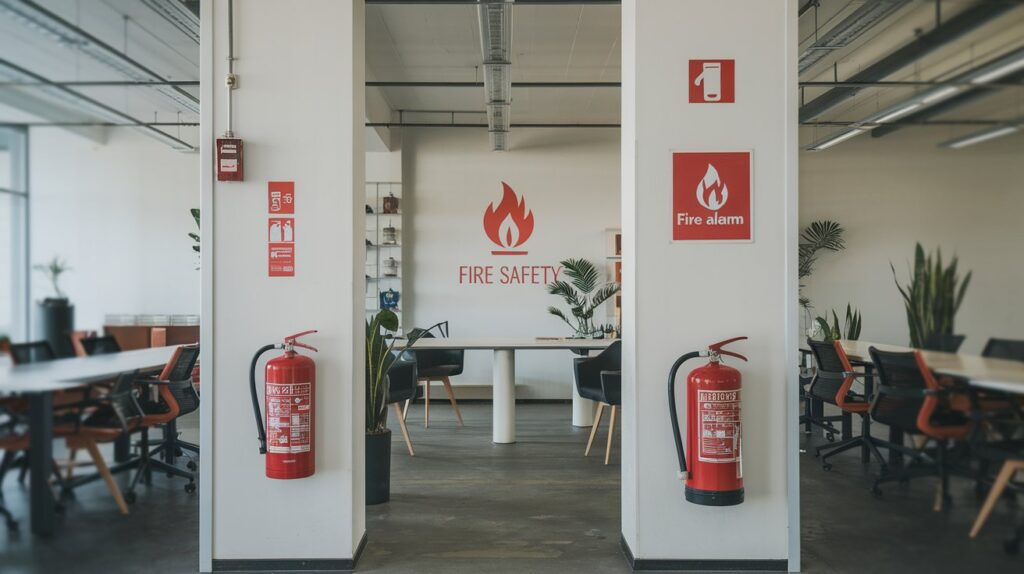
Workplace fires cause over $2.3 billion in property damage annually across the United States, making fire prevention measures in the workplace absolutely critical for business safety. Effective fire prevention combines proper planning, employee training, equipment maintenance, and compliance with OSHA regulations to create a comprehensive safety framework that protects both personnel and property.
Understanding Workplace Fire Statistics and Risks
The National Fire Protection Association reports that workplace fires occur every 50 seconds in the United States, highlighting the urgent need for comprehensive fire prevention measures in the workplace. These incidents result in approximately 3,340 injuries and 160 deaths annually, with manufacturing facilities, restaurants, and office buildings representing the highest-risk environments.
Understanding these statistics helps businesses recognize that fire prevention isn’t optional—it’s a critical component of operational safety. Modern workplace fires spread 30% faster than they did decades ago due to synthetic materials and open office designs, making prevention strategies more important than ever for protecting employees and assets.
Most Common Workplace Fire Hazards
Identifying potential fire hazards represents the foundation of effective workplace fire prevention. The most prevalent causes include electrical equipment malfunctions, improper storage of combustible materials, and human error, which account for nearly 75% of all workplace fire incidents in the United States.
Electrical Equipment and Wiring Issues
Faulty electrical systems cause approximately 13% of workplace fires annually, making electrical safety a cornerstone of fire prevention measures in the workplace. Overloaded circuits, damaged extension cords, and improperly maintained equipment create dangerous conditions that can ignite surrounding materials within seconds. Regular electrical inspections, proper circuit load management, and immediate repair of damaged wiring are essential preventive measures that significantly reduce fire risk.
Improper Storage of Combustible Materials
Combustible materials stored near heat sources or in poorly ventilated areas contribute to 18% of workplace fires. Effective fire prevention requires designated storage areas for flammable liquids, proper container labeling, and maintaining appropriate clearances from ignition sources. Businesses must implement storage protocols that include temperature monitoring, adequate ventilation, and regular inventory management to minimize combustible material risks.
Human Error and Carelessness Factors
Human error accounts for the largest percentage of workplace fire incidents, emphasizing the importance of comprehensive training in fire prevention measures in the workplace. Common mistakes include leaving equipment unattended, improper disposal of smoking materials, and failure to follow safety protocols. Addressing human factors requires ongoing education, clear safety procedures, and creating a culture where employees actively participate in fire prevention efforts.
OSHA Fire Prevention Plan Requirements
The Occupational Safety and Health Administration mandates specific fire prevention plan requirements for workplaces with more than 10 employees. These regulations outline minimum standards that businesses must meet to ensure compliance and maintain a safe working environment.
Mandatory Plan Components
OSHA requires that every fire prevention plan must include a list of major workplace fire hazards, proper handling procedures for hazardous materials, and names of personnel responsible for maintaining fire safety equipment. The plan must also specify procedures for controlling accumulations of flammable waste and outline regular maintenance schedules for heat-producing equipment to ensure ongoing fire prevention effectiveness.
Employee Training and Communication Requirements
Federal regulations mandate that employers inform employees about fire hazards in their work areas and provide training on proper fire prevention procedures. This training must cover the use of fire extinguishers, emergency evacuation procedures, and recognition of potential fire hazards. Regular workplace fire safety training sessions ensure that employees understand their roles in maintaining a fire-safe environment and can respond appropriately in emergency situations.
Essential Fire Prevention Equipment and Systems
Modern fire prevention measures in the workplace rely on sophisticated detection and suppression systems that provide early warning and automatic response capabilities. Properly installed and maintained fire safety equipment can reduce fire damage by up to 90% when activated within the first few minutes of a fire event.
Fire Detection and Alarm Systems
Advanced fire detection systems use smoke, heat, and flame sensors to provide early warning of potential fire conditions. These systems must be tested monthly and serviced annually by certified professionals to ensure reliability. Modern detection systems can differentiate between actual fire conditions and false alarms, reducing unnecessary evacuations while maintaining rapid response to genuine emergencies that threaten workplace safety.
Fire Suppression and Extinguisher Systems
Strategically placed fire extinguishers represent the first line of defense in fire prevention efforts. Different types of fires require specific extinguisher classes: Class A for ordinary combustibles, Class B for flammable liquids, and Class C for electrical fires. Employees must receive training in the PASS method (Pull, Aim, Squeeze, Sweep) to effectively use extinguishers when safe to do so.
Workplace Fire Safety Training Programs
Comprehensive training programs form the backbone of effective fire prevention measures in the workplace. Studies show that workplaces with regular fire safety training experience 60% fewer fire-related incidents compared to those with minimal training programs.
Initial Employee Orientation
New employee orientation must include detailed information about workplace fire safety procedures, evacuation routes, and the location of fire safety equipment. This initial training should cover specific hazards in the employee’s work area and their responsibilities in maintaining a fire-safe environment. Documentation of training completion ensures compliance with regulatory requirements and provides a foundation for ongoing safety education.
Ongoing Training and Drill Programs
Regular fire drills and refresher training sessions maintain employee readiness and ensure that fire prevention knowledge remains current. Monthly evacuation drills help identify potential issues with escape routes and gathering points, while quarterly training updates address new hazards or procedural changes. These programs must be documented and evaluated to demonstrate continuous improvement in fire safety preparedness.
Fire Warden and Emergency Response Team Roles
Designated fire wardens serve as critical coordinators in implementing fire prevention measures in the workplace and managing emergency situations. These trained individuals assume leadership roles during evacuations and maintain ongoing oversight of fire safety compliance throughout normal operations.
Fire wardens must receive specialized training that covers hazard identification, emergency communication procedures, and evacuation coordination. Their responsibilities include conducting regular safety inspections, reporting potential hazards to management, and ensuring that employees receive proper training on fire prevention procedures and emergency response protocols.
Industry-Specific Fire Prevention Strategies
Different industries require tailored fire prevention measures in the workplace based on their unique hazards and operational characteristics. Manufacturing facilities face different risks than office buildings, requiring specialized approaches to maintain effective fire safety programs.
Manufacturing and Industrial Facilities
Industrial environments require enhanced fire prevention measures due to the presence of machinery, chemicals, and high-temperature processes. Key strategies include hot work permits for welding operations, proper ventilation systems for chemical processes, and specialized suppression systems for equipment areas. Regular maintenance of industrial equipment and immediate cleanup of combustible waste materials are essential for preventing fire incidents in manufacturing settings.
Office and Commercial Buildings
Office environments face unique challenges in implementing fire prevention measures in the workplace due to high occupant densities and complex building layouts. Essential strategies include proper electrical load management, regular maintenance of HVAC systems, and clear evacuation procedures for multi-story buildings. Open office designs require careful consideration of fire spread patterns and the placement of detection systems to ensure adequate coverage.
Technology and Modern Fire Prevention Solutions
Advanced technology has revolutionized fire prevention measures in the workplace through smart detection systems, automated suppression technologies, and integrated building management systems. These innovations provide real-time monitoring, predictive analytics, and rapid response capabilities that significantly enhance fire safety effectiveness in modern business environments.
Internet-connected fire safety systems can provide instant notifications to emergency services and building management, reducing response times by an average of 40%. Modern systems also integrate with building automation to automatically shut down HVAC systems, activate smoke evacuation fans, and control elevator operations during fire emergencies, creating a coordinated response that maximizes occupant safety and minimizes property damage.
Related video about fire prevention measures in the workplace
This video complements the article information with a practical visual demonstration.
Important things to know about fire prevention measures in the workplace
What are the main fire preventive measures every workplace must implement?
The main fire preventive measures include maintaining proper electrical systems, implementing safe storage practices for combustible materials, conducting regular fire drills, installing appropriate detection and suppression systems, and providing comprehensive employee training. OSHA requires workplaces to have written fire prevention plans, designated fire wardens, and regular equipment inspections to ensure ongoing safety compliance.
What are 5 essential ways to prevent workplace fires?
Five essential fire prevention methods are: 1) Regular electrical system inspections and maintenance, 2) Proper storage and handling of flammable materials, 3) Implementation of hot work permit systems for welding and cutting operations, 4) Maintaining clean work areas free of combustible waste, and 5) Conducting monthly fire safety training and emergency drills to ensure employee preparedness.
What specific actions can employees take to prevent fires in the workplace?
Employees can prevent workplace fires by following proper electrical safety procedures, immediately reporting damaged equipment or potential hazards, maintaining clean and organized work areas, properly disposing of combustible materials, and participating actively in fire safety training programs. Employees should also familiarize themselves with evacuation routes and fire extinguisher locations in their work areas.
What are the 5 minimum requirements that OSHA mandates for fire prevention plans?
OSHA requires fire prevention plans to include: 1) A list of major fire hazards and their proper handling procedures, 2) Names or job titles of personnel responsible for maintaining fire safety equipment, 3) Procedures for controlling accumulations of flammable waste materials, 4) Regular maintenance procedures for heat-producing equipment, and 5) Employee training programs covering fire hazards and prevention procedures specific to their work areas.
How often should workplace fire safety training be conducted?
Fire safety training should be conducted during initial employee orientation and refreshed at least annually, with many experts recommending quarterly updates. Monthly fire drills help maintain employee readiness, while specialized training for fire wardens and emergency response teams should occur more frequently. Training frequency may need to increase based on industry-specific hazards or following any fire incidents or near-misses.
What industries have the highest risk for workplace fires?
Manufacturing facilities, restaurants and food service operations, healthcare facilities, and warehouses have the highest workplace fire risks. Manufacturing environments face hazards from machinery and chemicals, restaurants deal with cooking equipment and grease fires, healthcare facilities have oxygen-rich environments and electrical equipment, while warehouses store large quantities of combustible materials. Each industry requires specialized fire prevention strategies tailored to their unique risk factors.
| Fire Prevention Component | Implementation Requirements | Key Benefit |
|---|---|---|
| OSHA Compliance Plan | Written plan, hazard identification, employee training | Legal compliance and systematic risk management |
| Detection Systems | Monthly testing, annual professional servicing | Early warning and rapid emergency response |
| Employee Training | Initial orientation, quarterly updates, monthly drills | 60% reduction in fire-related incidents |
| Fire Wardens | Specialized training, regular inspections, emergency coordination | Professional oversight and emergency leadership |
| Equipment Maintenance | Regular electrical inspections, proper storage protocols | Prevention of 75% of common fire causes |