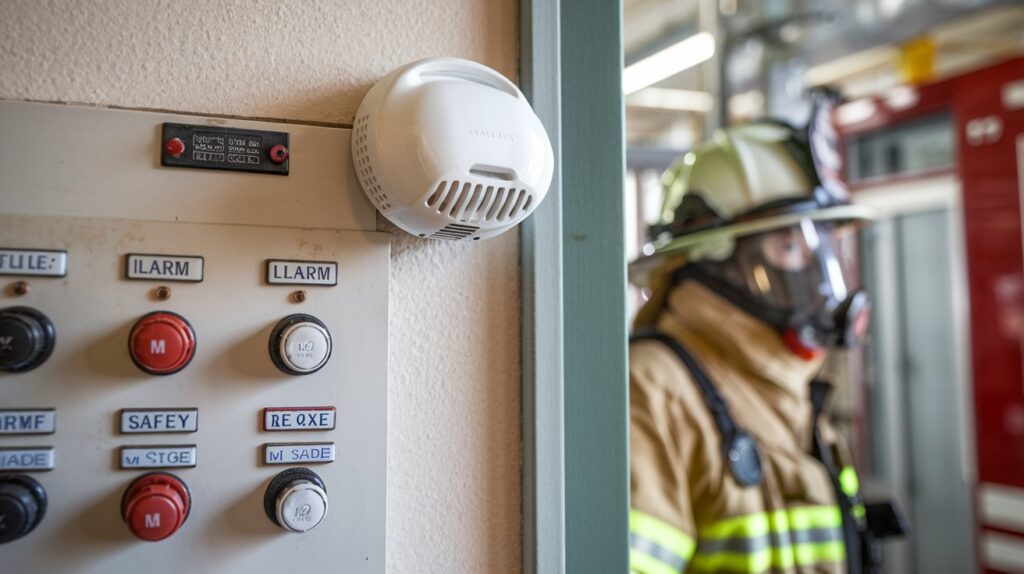
Basic fire safety control measures are fundamental protective strategies that prevent fires and minimize damage when they occur. These essential practices include installing smoke alarms, creating evacuation plans, proper electrical maintenance, and understanding fire prevention principles. Implementing these fire safety measures can reduce fire-related deaths by up to 50% according to the National Fire Protection Association’s 2024 data.
Understanding Fire Safety Principles and Control Measures
The foundation of fire safety control measures lies in understanding how fires start and spread. Fire requires three elements: heat, fuel, and oxygen, known as the fire triangle. Effective fire prevention measures focus on controlling these elements to prevent ignition. Modern fire safety approaches emphasize prevention over reaction, with studies showing that proper preventive measures reduce fire incidents by 65% in residential settings.
The hierarchy of fire safety measures begins with elimination of hazards, followed by engineering controls, administrative controls, and personal protective equipment. This systematic approach ensures comprehensive protection across different environments. Understanding these principles of fire safety helps individuals and organizations develop effective safety protocols that address specific risks and vulnerabilities.
The Four P’s of Fire Safety Framework
The 4 P’s of fire safety provide a structured approach to fire prevention and response. Prevention focuses on eliminating ignition sources and reducing fire loads. Protection involves installing detection and suppression systems. Preparation includes training personnel and developing emergency procedures. Finally, Performance evaluation ensures continuous improvement of fire safety measures through regular testing and updates.
Five Core Fire Safety Principles
The 5 principles of fire safety establish the framework for comprehensive protection: prevention through hazard identification and control, early detection using alarm systems, containment to limit fire spread, safe evacuation procedures, and effective suppression methods. These principles work together to create layered defense systems that significantly reduce fire risks and protect lives and property.
Essential Fire Detection and Alarm Systems
Smoke alarms serve as the first line of defense in fire safety, providing early warning that saves thousands of lives annually. The National Fire Protection Association reports that homes with working smoke alarms reduce fire death risk by 54%. Installing smoke alarms on every level, inside bedrooms, and outside sleeping areas ensures maximum protection. Modern interconnected systems provide whole-house alerts when any single unit detects smoke.
Regular fire safety training includes proper smoke alarm maintenance, requiring monthly testing and annual battery replacement for battery-operated units. Photoelectric alarms respond faster to smoldering fires, while ionization alarms detect fast-flaming fires more quickly. Dual-sensor alarms combine both technologies for comprehensive protection against different fire types.
Smoke Alarm Placement and Maintenance Guidelines
Proper placement of smoke alarms requires positioning units at least 10 feet from cooking appliances and 3 feet from bathroom doors to prevent false alarms. Install alarms on ceilings or high on walls, as smoke rises. Replace smoke alarm batteries annually and replace the entire unit every 10 years to ensure optimal performance and reliability.
Advanced Detection Technologies for Enhanced Safety
Modern fire safety control measures include smart smoke detectors with smartphone connectivity, carbon monoxide detection, and voice alerts. These advanced systems provide remote monitoring capabilities and detailed incident reports. Integration with home security systems enables automatic emergency service notification, reducing response times by an average of 3-5 minutes.
Fire Prevention Measures in Residential Settings
Implementing fire prevention measures in homes requires attention to common ignition sources and fuel loads. Kitchen fires account for 50% of all home fire incidents, making cooking safety a critical priority. Keep combustible materials away from heat sources, maintain electrical systems, and ensure proper storage of flammable liquids. Regular inspection of heating equipment prevents 14% of home fires according to 2024 statistics.
Effective fire safety tips for homes include creating defensible space around properties, especially in wildfire-prone areas. Remove dead vegetation within 30 feet of structures, trim tree branches away from rooflines, and use fire-resistant landscaping materials. These measures significantly reduce structure ignition risk during wildfire events.
Kitchen Fire Safety and Cooking Precautions
Kitchen fire safety measures focus on supervised cooking, proper equipment maintenance, and immediate response to grease fires. Never leave cooking unattended, keep pot handles turned inward, and maintain clean cooking surfaces. Install automatic fire suppression systems in commercial kitchens and keep appropriate fire extinguishers readily accessible for residential cooking areas.
Electrical Safety and Fire Prevention
Electrical fires cause approximately 13% of home fires, making electrical fire safety control measures essential. Avoid overloading circuits, replace damaged cords immediately, and use surge protectors for electronic equipment. Professional electrical inspections every 10 years identify potential hazards before they become fire risks, particularly in older homes with outdated wiring systems.
Workplace Fire Safety Control Measures
Basic fire safety control measures in the workplace require comprehensive risk assessment and tailored safety protocols. Occupational fire safety programs must address building occupancy levels, egress routes, and specific hazards associated with business operations. Regular fire drills, employee training, and equipment maintenance ensure workplace preparedness and compliance with OSHA regulations.
Industrial fire safety measures include hot work permits, proper storage of hazardous materials, and installation of automatic suppression systems. Workplace fire safety programs should include emergency action plans, fire prevention inspections, and coordination with local fire departments for effective emergency response.
Emergency Evacuation Planning and Procedures
Workplace evacuation plans require clearly marked fire safety routes, assembly points, and accountability procedures. Train employees on evacuation procedures, assign floor wardens for multi-story buildings, and practice evacuation drills quarterly. Post evacuation maps throughout facilities and ensure routes remain clear of obstructions at all times.
Fire Extinguisher Selection and Placement
Proper fire extinguisher selection depends on fire class types present in the workplace. Class A extinguishers handle ordinary combustibles, Class B addresses flammable liquids, and Class C targets electrical fires. Install extinguishers within 75 feet of potential fire locations and provide employee training on proper use. Monthly inspections ensure extinguishers remain functional when needed.
Fire Suppression Systems and Equipment
Automatic sprinkler systems represent the most effective fire safety control measures for large buildings, reducing fire deaths by 82% and property damage by 70%. These systems activate automatically when heat reaches predetermined temperatures, delivering water directly to fire locations. Modern sprinkler systems include pre-action systems for sensitive equipment areas and deluge systems for high-hazard applications.
Portable fire extinguishers complement fixed suppression systems by providing immediate response capability for small fires. Proper fire safety training includes instruction on fire extinguisher operation using the PASS method: Pull, Aim, Squeeze, and Sweep. Regular inspection and maintenance ensure extinguishers function properly during emergencies.
Emergency Response and Evacuation Strategies
Effective emergency response begins with early detection and prompt evacuation procedures. Fire safety measures include predetermined evacuation routes, designated meeting points, and communication systems for coordinating response efforts. The 2024 International Fire Code requires buildings to maintain clear egress paths and conduct regular evacuation drills to ensure occupant familiarity with procedures.
During fire emergencies, basic fire safety control measures emphasize personal safety over property protection. The stop, drop, and roll technique addresses clothing fires, while crawling low under smoke prevents smoke inhalation during evacuation. Emergency response training should include recognition of evacuation signals and alternative escape route identification.
Smoke Inhalation Prevention Techniques
Smoke inhalation causes more fire deaths than burns, making proper evacuation techniques critical fire safety measures. Stay low to the ground when evacuating through smoke-filled areas, as cleaner air remains near floors. Cover nose and mouth with cloth when possible, and never use elevators during fire emergencies. If trapped, seal door cracks and signal for help from windows.
Communication and Coordination During Emergencies
Effective emergency communication systems ensure coordinated response and successful evacuation. Install emergency communication devices in stairwells and refuge areas. Establish communication protocols with emergency services and provide regular updates during incidents. Modern fire safety control measures include mass notification systems that provide clear, audible instructions throughout buildings during emergencies.
Specialized Fire Safety Measures for High-Risk Areas
High-risk environments require enhanced fire safety control measures tailored to specific hazards. Chemical storage areas need specialized suppression systems, explosion-proof electrical equipment, and enhanced ventilation systems. Healthcare facilities require smoke compartmentalization, horizontal evacuation procedures, and life safety systems that protect patients unable to self-evacuate.
Wildfire-prone areas implement defensible space fire prevention measures including vegetation management, fire-resistant building materials, and emergency water supplies. These specialized approaches recognize that standard fire safety measures may be insufficient for unique risk environments and require customized solutions.
Fire Safety Training and Education Programs
Comprehensive fire safety training programs educate individuals on fire prevention, detection, and response procedures. Training curricula should include fire science basics, hazard recognition, emergency procedures, and hands-on practice with safety equipment. Regular refresher training ensures knowledge retention and updates personnel on new safety technologies and procedures.
Educational programs targeting specific audiences improve fire safety outcomes significantly. School fire safety education reduces fire incidents by teaching children about fire hazards and proper response procedures. Workplace training programs must comply with OSHA standards and address job-specific fire risks and safety procedures.
Related video about basic fire safety control measures
This video complements the article information with a practical visual demonstration.
Your questions answered
What are the most important basic fire safety control measures for homes?
The most critical basic fire safety control measures for homes include installing working smoke alarms on every level, creating and practicing escape plans, maintaining electrical systems, practicing kitchen safety, and keeping space heaters away from combustible materials. These measures can prevent up to 80% of home fire deaths when properly implemented.
How often should fire safety equipment be inspected and maintained?
Fire safety equipment requires regular maintenance schedules: smoke alarms should be tested monthly with batteries replaced annually, fire extinguishers need monthly visual inspections and annual professional servicing, and sprinkler systems require quarterly inspections with annual comprehensive testing by certified technicians.
What are the key differences between workplace and residential fire safety measures?
Workplace fire safety measures are more comprehensive, including emergency action plans, fire wardens, regular drills, and compliance with OSHA regulations. Residential measures focus on detection, escape planning, and prevention. Workplaces typically have more sophisticated suppression systems and formal training programs compared to residential settings.
What should you do if you discover a small fire?
For small fires, remember the acronym RACE: Remove people from immediate danger, Alert others and call 911, Confine the fire by closing doors, and Evacuate if the fire cannot be controlled. Only attempt to fight small fires with proper extinguishers if you have clear escape routes and proper training.
How do modern fire safety technologies improve traditional safety measures?
Modern fire safety technologies enhance traditional measures through smart detection systems with smartphone alerts, advanced suppression systems with targeted response, and integrated building management systems. These technologies provide faster detection, automatic emergency notifications, and improved response coordination, reducing fire damage by up to 40% compared to conventional systems.
What are the most common fire safety violations in buildings?
Common fire safety violations include blocked exit routes, inoperative smoke detection systems, improper storage of flammable materials, inadequate fire extinguisher maintenance, and missing or outdated emergency evacuation plans. Regular fire safety inspections help identify and correct these violations before they contribute to fire incidents.
| Fire Safety Measure | Implementation Details | Safety Benefit |
|---|---|---|
| Smoke Alarm Installation | Every level, bedrooms, monthly testing | 54% reduction in fire deaths |
| Evacuation Planning | Two exit routes, practice drills, meeting points | Faster evacuation times |
| Fire Extinguisher Placement | Within 75 feet, proper class selection | Controls small fires effectively |
| Electrical System Maintenance | Regular inspections, avoid overloading | Prevents 13% of fire incidents |
| Sprinkler System Installation | Automatic activation, professional maintenance | 82% reduction in fire deaths |