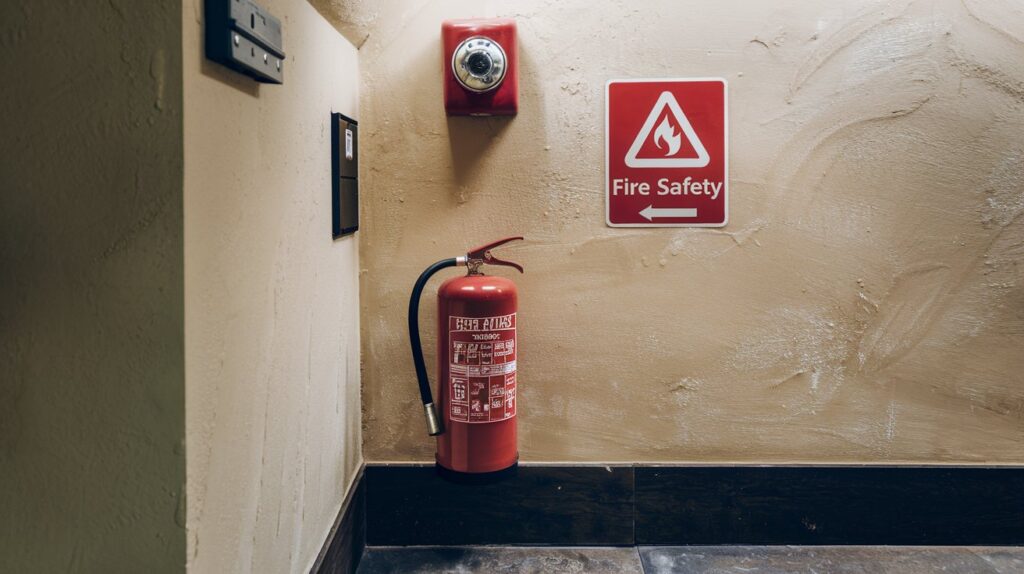
Organizations must implement basic fire safety rules to protect employees, visitors, and property from fire hazards. Proper fire safety protocols reduce the risk of workplace fires by up to 80% according to NFPA statistics. Understanding and implementing these fundamental fire safety principles ensures compliance with OSHA regulations while creating a safer work environment for everyone.
Essential Fire Safety Principles Every Organization Must Follow
The 5 P’s of fire safety form the foundation of organizational fire protection: Prevention, Planning, Preparation, People, and Procedures. Prevention focuses on eliminating fire hazards through proper maintenance and storage practices. Planning involves developing comprehensive emergency response strategies that address evacuation routes, communication protocols, and resource allocation during fire emergencies.
Preparation encompasses regular training programs, equipment maintenance, and safety inspections to ensure all fire safety systems function properly. People-centered approaches emphasize training employees on fire safety protocols and emergency procedures. Procedures establish clear guidelines for fire prevention, detection, and response that align with OSHA fire safety standards and local building codes.
The 4 P’s of Fire Safety Implementation
The simplified 4 P’s of fire safety include Prevention, Protection, Procedures, and People. Prevention involves identifying and eliminating potential fire hazards such as overloaded electrical circuits, improper chemical storage, and blocked emergency exits. Protection encompasses installing and maintaining fire detection systems, sprinklers, extinguishers, and alarm systems that meet current fire safety standards for commercial buildings.
Core Fire Prevention Strategies
Fire prevention requires systematic approaches including regular electrical inspections, proper waste disposal, and maintaining clear evacuation routes. Organizations should conduct monthly inspections of electrical panels, extension cords, and heating equipment to identify potential ignition sources. Proper storage of flammable materials in designated areas with appropriate ventilation reduces fire risks significantly according to OSHA fire safety regulations.
OSHA Fire Safety Standards and Compliance Requirements
OSHA fire safety standards establish mandatory requirements for workplace fire protection in the United States. The Occupational Safety and Health Administration requires employers to provide safe working conditions free from fire hazards through proper equipment maintenance, employee training, and emergency planning. Non-compliance with OSHA fire safety regulations can result in penalties ranging from $15,625 to $156,259 per violation as of 2024.
Organizations must implement comprehensive fire safety programs that include written emergency action plans, fire prevention plans, and regular employee training. OSHA standards mandate that employers provide portable fire extinguishers, maintain exit routes, and ensure proper installation of fire detection and suppression systems based on occupancy classifications and building size.
OSHA Fire Safety Checklist Components
A comprehensive OSHA fire safety checklist includes regular inspection of fire extinguishers, emergency lighting, exit signs, and alarm systems. Organizations must document monthly visual inspections of portable fire extinguishers and annual professional maintenance. Emergency exits must remain unobstructed with proper signage and illumination, while fire alarm systems require testing according to manufacturer specifications and local fire codes.
Workplace Fire Safety Documentation
Proper documentation demonstrates compliance with fire safety in the workplace requirements and supports legal protection during inspections. Organizations must maintain records of fire safety training, equipment inspections, emergency drills, and incident reports. Documentation should include employee training certificates, fire extinguisher inspection logs, and emergency evacuation drill records that meet OSHA recordkeeping standards.
Fire Risk Assessment and Prevention Planning
Conducting thorough fire risk assessments identifies potential hazards and establishes priorities for fire safety improvements. Professional fire safety consultants evaluate building systems, occupancy loads, chemical storage areas, and emergency egress capacity to determine fire risks. Risk assessments should occur annually or following significant building modifications, equipment changes, or occupancy adjustments.
Effective fire prevention planning addresses identified risks through engineered solutions, administrative controls, and personal protective equipment. Organizations must develop written fire prevention plans that outline housekeeping procedures, maintenance schedules, and employee responsibilities for maintaining fire-safe conditions throughout the facility.
Identifying Common Fire Hazards
Common workplace fire hazards include overloaded electrical systems, improperly stored flammable liquids, blocked emergency exits, and inadequate housekeeping practices. Electrical hazards account for approximately 13% of workplace fires, while heating equipment causes about 14% of commercial building fires according to NFPA statistics. Regular hazard identification helps prevent fires before they start.
Fire Safety Risk Mitigation Strategies
Effective fire safety mitigation involves implementing multiple layers of protection including detection, suppression, and evacuation systems. Organizations should install smoke detectors in all occupied areas, maintain automatic sprinkler systems, and provide adequate fire extinguisher coverage based on hazard classifications. Regular maintenance and testing ensure all systems function properly during emergencies.
Employee Fire Safety Training and Education Programs
Comprehensive fire safety training programs educate employees about fire prevention, detection, and response procedures. Training should cover proper use of fire extinguishers, evacuation procedures, and emergency communication protocols. New employees must receive fire safety orientation within their first week, while existing staff requires annual refresher training to maintain proficiency with current procedures.
Effective training programs include hands-on practice with fire extinguishers, evacuation drills, and scenario-based learning that prepares employees for real emergencies. Basic fire safety training topics should address fire triangle concepts, classes of fires, appropriate extinguishing agents, and personal safety priorities during fire emergencies.
Fire Extinguisher Training Requirements
Employees designated to use fire extinguishers must receive proper training on equipment operation, fire classification, and safety procedures. Training programs should demonstrate PASS technique (Pull, Aim, Squeeze, Sweep) and emphasize when to fight fires versus evacuate immediately. Organizations must provide refresher training annually and document completion for compliance purposes.
Emergency Evacuation Procedures
Clear evacuation procedures ensure orderly building evacuation during fire emergencies while minimizing panic and injuries. Organizations must designate assembly areas, assign floor wardens, and establish communication protocols for accounting for all personnel. Regular evacuation drills help identify procedural weaknesses and improve response times during actual emergencies.
Fire Detection and Suppression Systems
Modern fire detection systems provide early warning through smoke detectors, heat sensors, and flame detection devices that automatically notify occupants and fire departments. Properly designed systems reduce fire damage by 50-70% through early detection and rapid response. Organizations must select detection systems appropriate for their specific hazards and occupancy types.
Automatic fire suppression systems including sprinklers, foam systems, and clean agent systems provide 24/7 protection when properly installed and maintained. Sprinkler systems prove 95% effective at controlling fires in buildings where they operate properly, making them essential components of comprehensive fire protection strategies.
Emergency Action Plans and Communication
Written emergency action plans establish procedures for fire emergencies including evacuation routes, alarm systems, and emergency contact information. Plans must designate responsible persons for implementing emergency procedures, assisting disabled employees, and coordinating with emergency responders. Regular plan reviews ensure accuracy and effectiveness of emergency procedures.
Effective emergency communication systems alert occupants quickly while providing clear instructions for safe evacuation. Organizations should install audible and visual alarm systems that meet ADA requirements and provide backup communication methods during primary system failures. Clear signage and employee training support effective emergency communication during high-stress situations.
Related video about basic fire safety rules for organisations
This video complements the article information with a practical visual demonstration.
Key Questions and Answers
What are the 5 P’s of fire safety?
The 5 P’s of fire safety are Prevention, Planning, Preparation, People, and Procedures. Prevention focuses on eliminating fire hazards, Planning involves developing emergency response strategies, Preparation includes training and equipment maintenance, People emphasizes employee education, and Procedures establish clear guidelines for fire safety implementation and emergency response.
What are the basic rules for fire safety in organizations?
Basic fire safety rules include maintaining clear evacuation routes, installing proper fire detection and suppression systems, conducting regular safety inspections, providing employee training, storing flammable materials properly, keeping fire extinguishers accessible and maintained, conducting regular emergency drills, and maintaining compliance with OSHA fire safety standards.
What are the 4 P’s of fire safety?
The 4 P’s of fire safety are Prevention, Protection, Procedures, and People. Prevention involves identifying and eliminating fire hazards, Protection encompasses installing fire detection and suppression systems, Procedures establish clear emergency response guidelines, and People focuses on proper training and education for all employees and staff members.
How often should organizations conduct fire safety training?
Organizations should provide fire safety training for new employees within their first week and conduct annual refresher training for existing staff. Specialized roles requiring fire extinguisher use need additional hands-on training. Emergency evacuation drills should occur monthly in high-risk facilities and quarterly in standard office environments to maintain proficiency.
What are OSHA fire safety requirements for workplaces?
OSHA requires employers to provide portable fire extinguishers, maintain unobstructed exit routes, install proper fire detection systems, develop written emergency action plans, conduct employee training, and maintain equipment according to manufacturer specifications. Non-compliance can result in penalties ranging from $15,625 to $156,259 per violation in 2024.
| Fire Safety Component | Key Requirements | Compliance Benefit |
|---|---|---|
| Prevention Planning | Regular hazard assessments and elimination | 80% reduction in fire incidents |
| Employee Training | Annual training and emergency drills | Improved response times and safety |
| Detection Systems | Smoke detectors and alarm systems | 50-70% reduction in fire damage |
| OSHA Compliance | Written plans and documentation | Legal protection and penalty avoidance |